More structure when home cannot hold the crisis anymore
Girls-only Residential Treatment for Connecticut Residents: Travel Option
We Accept Insurance

Family therapy keeps parents part of the plan

More support than weekly therapy can provide

Know school, coverage, and travel details before admission

What families are saying

From our Google Profile
Our daughter came home nearly two and a half months ago after completing 75 days at Roots Renewal Ranch. I have absolutely no hesitation in recommending Roots Renewal Ranch.
Megan B.

My daughter was there for 70 days and the staff treated her with great care. She bonded with her counselor and enjoyed the activities. She loved the horses and other animals on site as well. The family weekend was amazing! I highly recommend Roots!
Jay L.
This is a place of healing for both children and parents. The support system is beyond expectations. What Roots did for our family could never be repaid. We thought we had lost our child forever; however, Roots brought our little girl back to us. It’s a scary feeling for any parent, but Roots is a safe place, and you’ll see positive transformations in the long run.
Juan H
Roots is a wonderful place. The staff is amazing and they went above and beyond to help my granddaughter. They teach the girls self love and confidence. I would definitely recommend them for anyone who needs help for themselves or their loved ones.
Kathy H.
I always tell people, if it weren’t for roots, I probably would not be here today. I would not be the strong person I have become. Roots gave me a home when I felt I didn’t have a home. They taught me how to stand up for myself when I had been pushed down my entire life.
AJ W
Residential care does not mean you gave up
Sending your daughter to residential care can feel like giving up, especially after months of trying to hold things together at home. When the crisis keeps outgrowing what love, rules, and local appointments can hold, a more structured setting can help you keep parenting with stronger support around her.
Roots Renewal Ranch serves girls ages 13 to 17 at our residential ranch in Argyle, Texas. Before your family commits, admissions explains what treatment would require and whether our residential setting can meet her needs.
 (888) 399-0489
Speak To A Representative
(888) 399-0489
Speak To A Representative
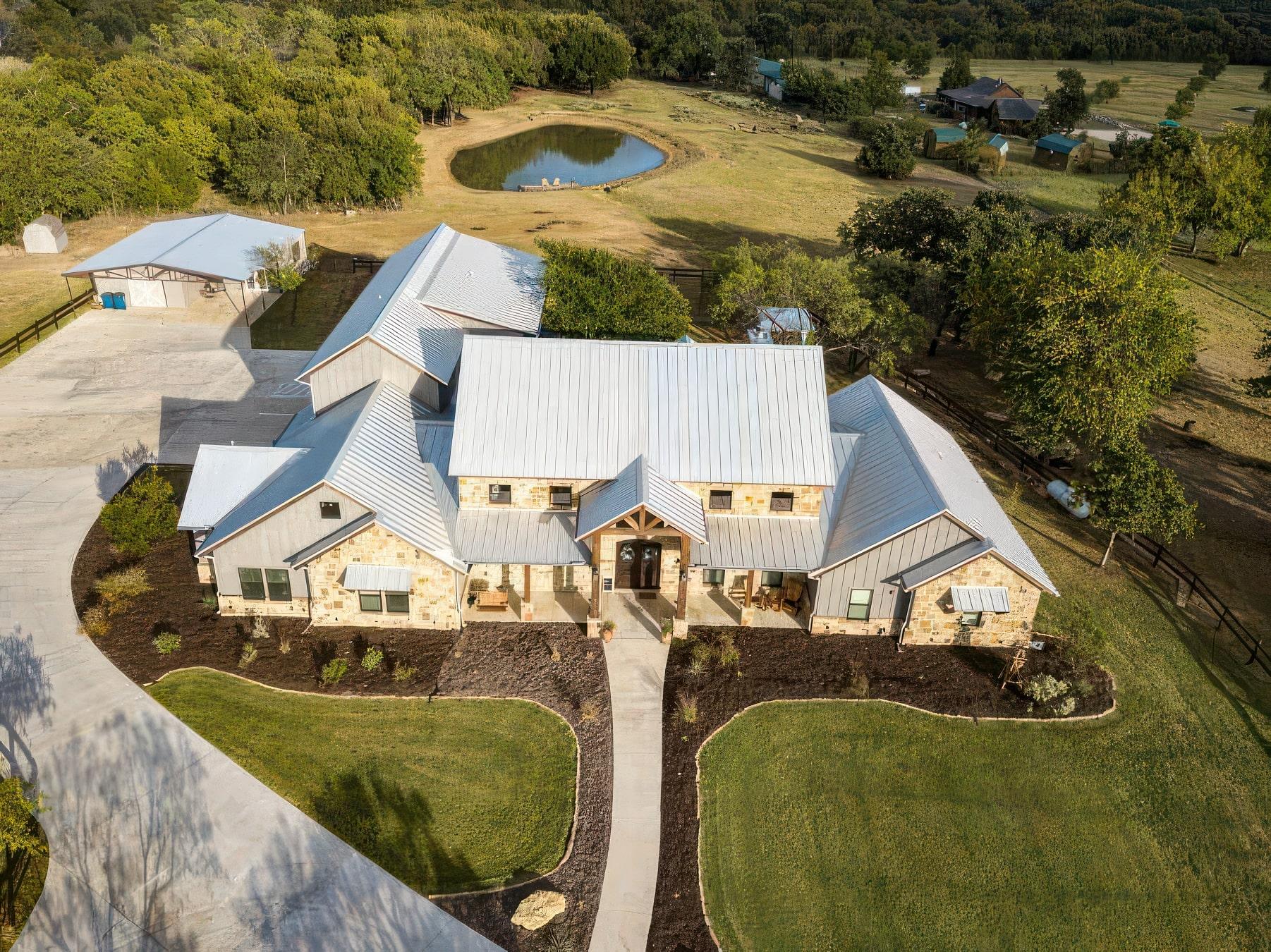
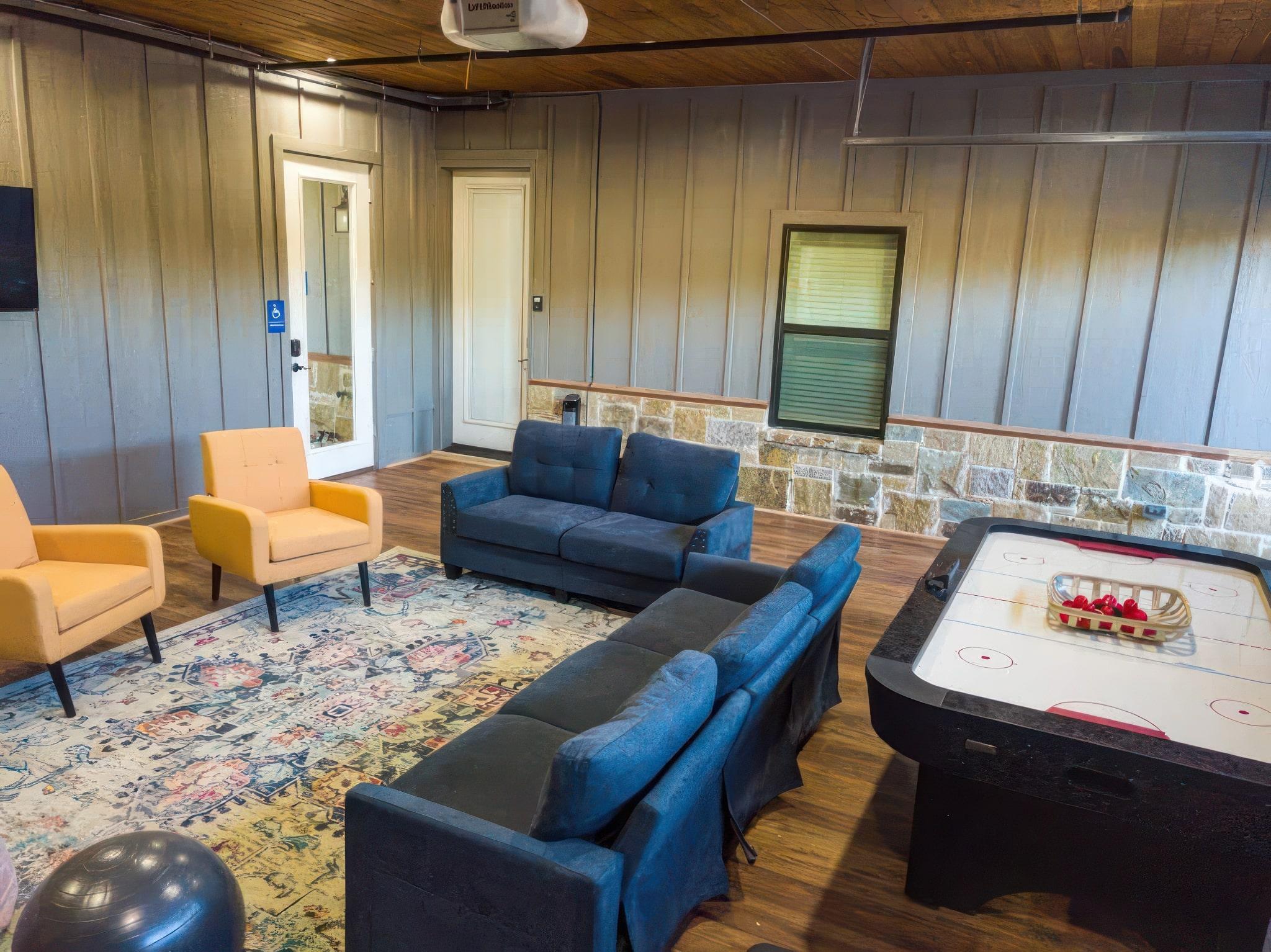
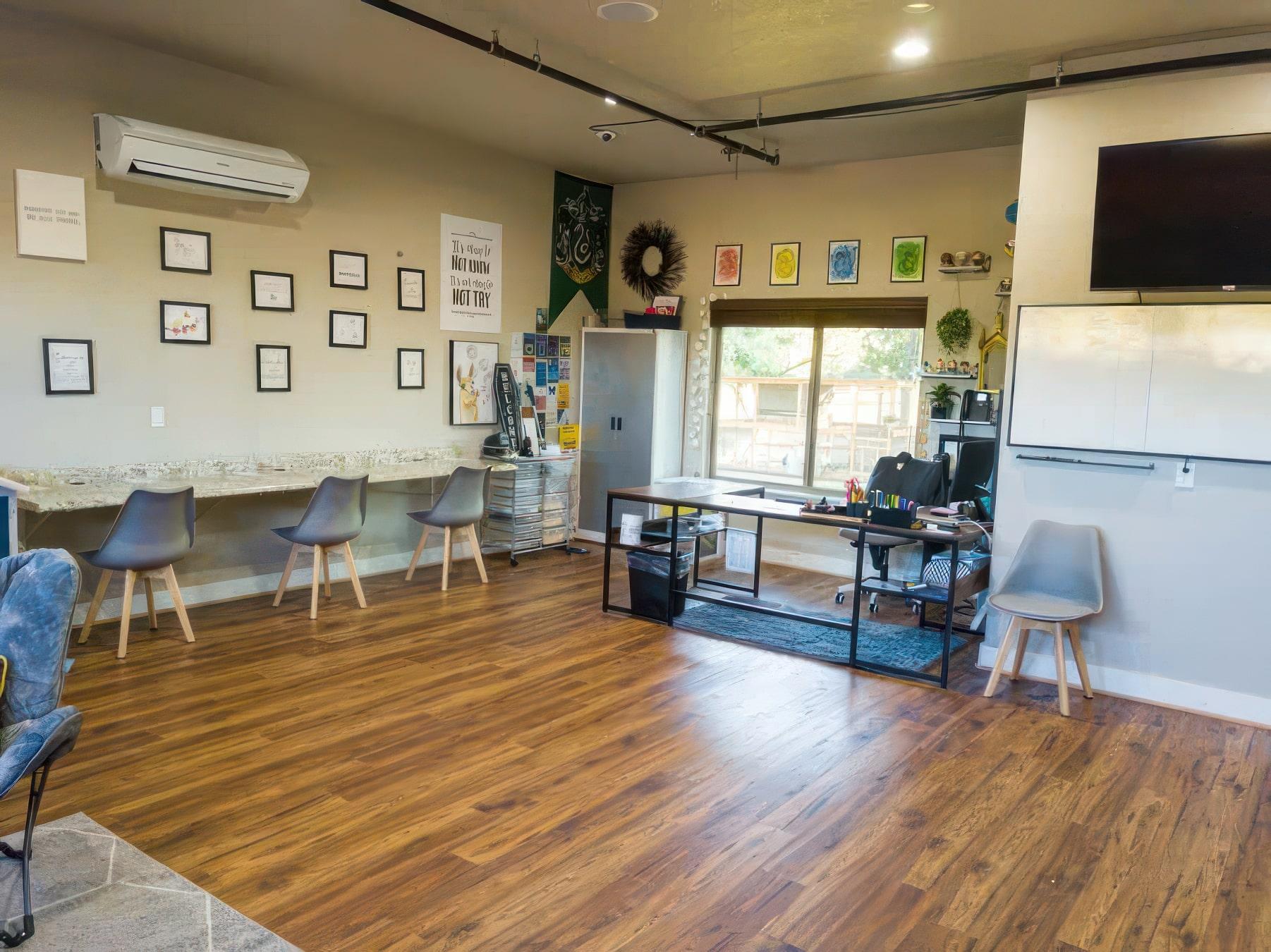

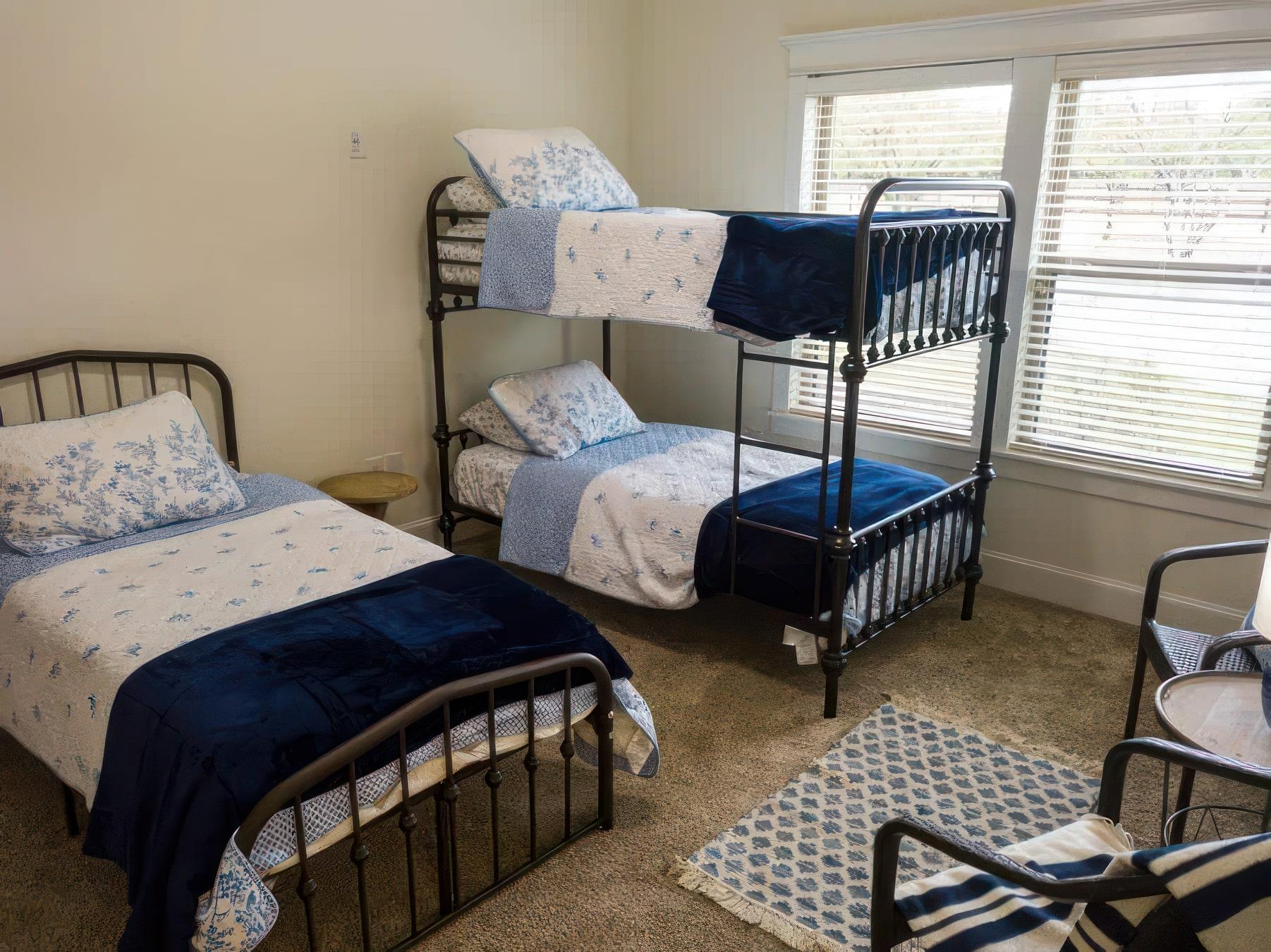

A short tour around the facility
You stay part of treatment even from Connecticut
Your daughter may be away from home, but you should not be left waiting in the dark. Before admission, we explain how parents stay involved while she is at the ranch.
- Family therapy: Weekly family sessions give parents and teens a structured place to work on communication, boundaries, and trust while residential support is still in place.
- Parent support: Parent groups and guidance help you prepare for the conversations, rules, and home changes that may matter after treatment.
- Sibling support: Brothers and sisters can have support of their own through sibling groups and individual sibling support.
- Family intensive weekend: This gives parents, siblings, and your daughter more time to practice together before the return home.
School stays part of the treatment plan
School is built into the residential day so that your daughter stays on track with studies.
- Home-campus learning: When possible, your daughter may stay enrolled with her home campus through online learning platforms.
- Teacher support: Full-time teacher support, classroom time, assignments, and weekly updates help academic progress stay visible during care.
- Updates for parents and schools: Weekly academic communication keeps you and school contacts from guessing while she is away.
- Credit recovery support: If credits are already at risk, academic support may include credit recovery resources and structured classroom time.
We’re here to help. Call us!
 (888) 399-0489
Break the apology-to-crisis cycle
After a frightening night, your daughter may apologize, agree to try again, hand over the phone, or promise school will be different tomorrow. For a few days, the house may breathe. Then the same pressure returns, and everyone is back to watching doors, messages, moods, and missed classes. Our Residential Program helps in breaking this cycle:
- Patterns seen across the week: We watch how mood, avoidance, peer pressure, and substance concerns show up outside a single appointment.
- Skills practiced in daily routines: During therapy, groups, school time, meals, and restorative activities, we help girls practice coping and communication where old patterns usually show up.
- You know what to say at home: Family sessions and parent support help you work on rules, trust, and repair without waiting for the next crisis to decide what to say.
- Home changes are named earlier: Communication, school expectations, digital access, safety concerns, and family roles would be discussed before discharge.
We work with leading health insurance plans
Your insurance provider may cover 100% of your child’s treatment costs
Check if your insurance will cover mental health treatment for your teen
Questions parents ask about our Residential Treatment Program
Start with a conversation, not a commitment
Let us help you understand what residential care would actually involve. We talk through what is happening at home; whether Roots is the right clinical fit; how school continues; what your family’s involvement looks like; and what costs may be required. You leave the conversation with real answers to your questions.
- Call our admissions team: Reach (888) 399-0489 for a private conversation.
- Clarify payment early: If you plan to use insurance, we can check benefits before admission planning moves forward. If not, admissions can explain private-pay costs.