Serving Tennessee Families from Texas
Residential Treatment for Teen Girls in Tennessee: Travel Option
We Accept Insurance

Therapy and school inside the same day, every day

Weekly family therapy keeps your voice in her treatment

We verify insurance to reduce out of pocket costs

What families are saying

From our Google Profile
Our daughter came home nearly two and a half months ago after completing 75 days at Roots Renewal Ranch. I have absolutely no hesitation in recommending Roots Renewal Ranch.
Megan B.

My daughter was there for 70 days and the staff treated her with great care. She bonded with her counselor and enjoyed the activities. She loved the horses and other animals on site as well. The family weekend was amazing! I highly recommend Roots!
Jay L.
This is a place of healing for both children and parents. The support system is beyond expectations. What Roots did for our family could never be repaid. We thought we had lost our child forever; however, Roots brought our little girl back to us. It’s a scary feeling for any parent, but Roots is a safe place, and you’ll see positive transformations in the long run.
Juan H
Roots is a wonderful place. The staff is amazing and they went above and beyond to help my granddaughter. They teach the girls self love and confidence. I would definitely recommend them for anyone who needs help for themselves or their loved ones.
Kathy H.
I always tell people, if it weren’t for roots, I probably would not be here today. I would not be the strong person I have become. Roots gave me a home when I felt I didn’t have a home. They taught me how to stand up for myself when I had been pushed down my entire life.
AJ W

Residential care fills the week between therapy appointments
One therapy appointment covers one hour. The evenings, school mornings, and the moments when conflict or shutdown happen still fall on your family with no clinician there to step in.
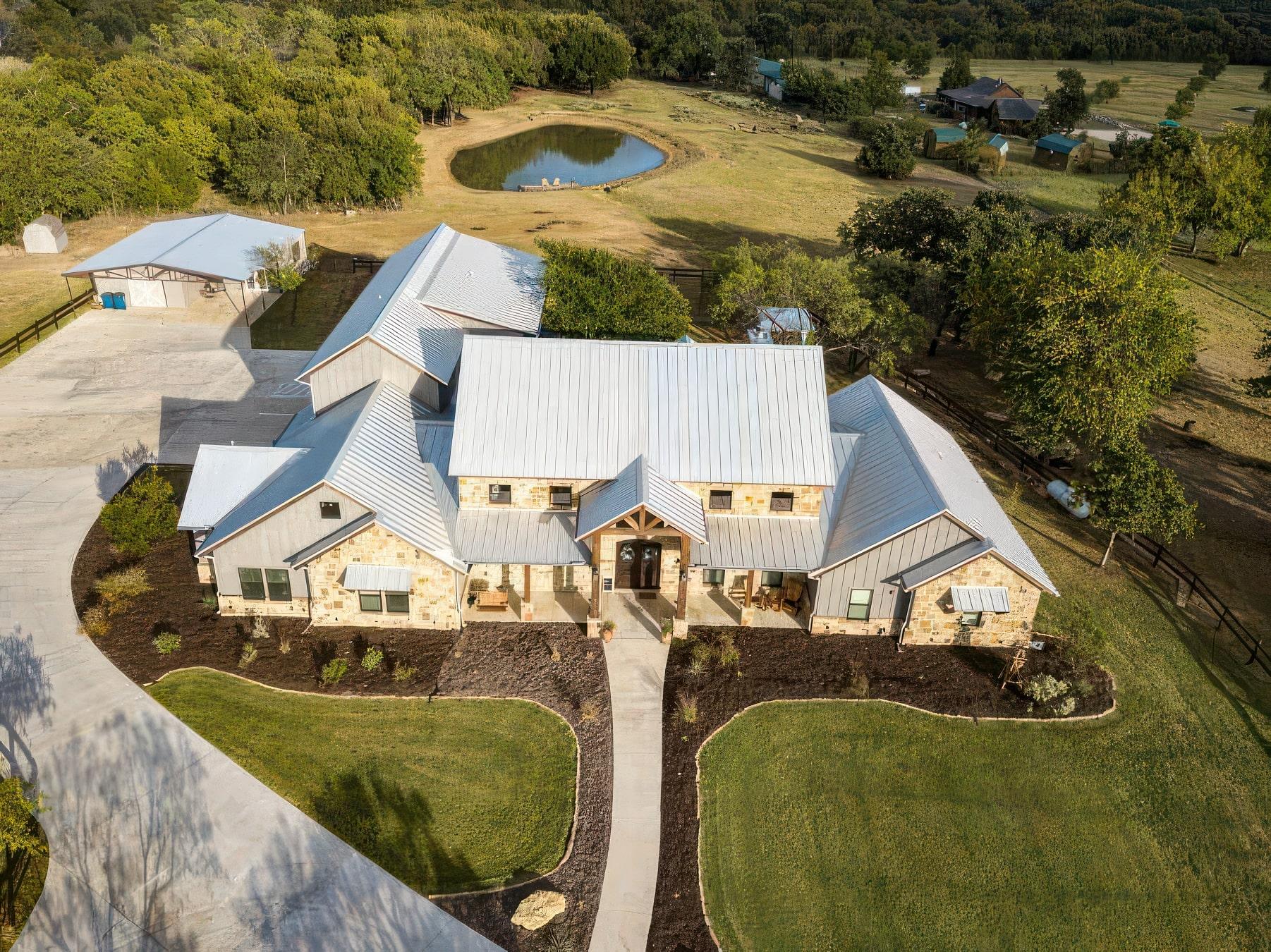
Residential care fills that gap. At our ranch in Argyle, Texas, your daughter has therapy and school inside the same day, with staff present when shutdown, conflict, or online pressure would otherwise come back without anyone to respond. Reduced electronics during the residential stay removes one source of that pressure.
If the week at home is what your family has stopped being able to manage, call (888) 399-0489 and tell us what the week looks like, what has already been tried, and we’ll walk you through what care at Roots would require.

A short tour around the facility
A girls-only ranch setting changes the day around her
At Roots, your daughter is with girls her age, 13 to 17, not adults, not a mixed group. The ranch setting, the age group, and the girls-only structure are clinical decisions. When the people around her are at the same stage and the daily rhythm is built around where she actually is, therapy has more room to work.
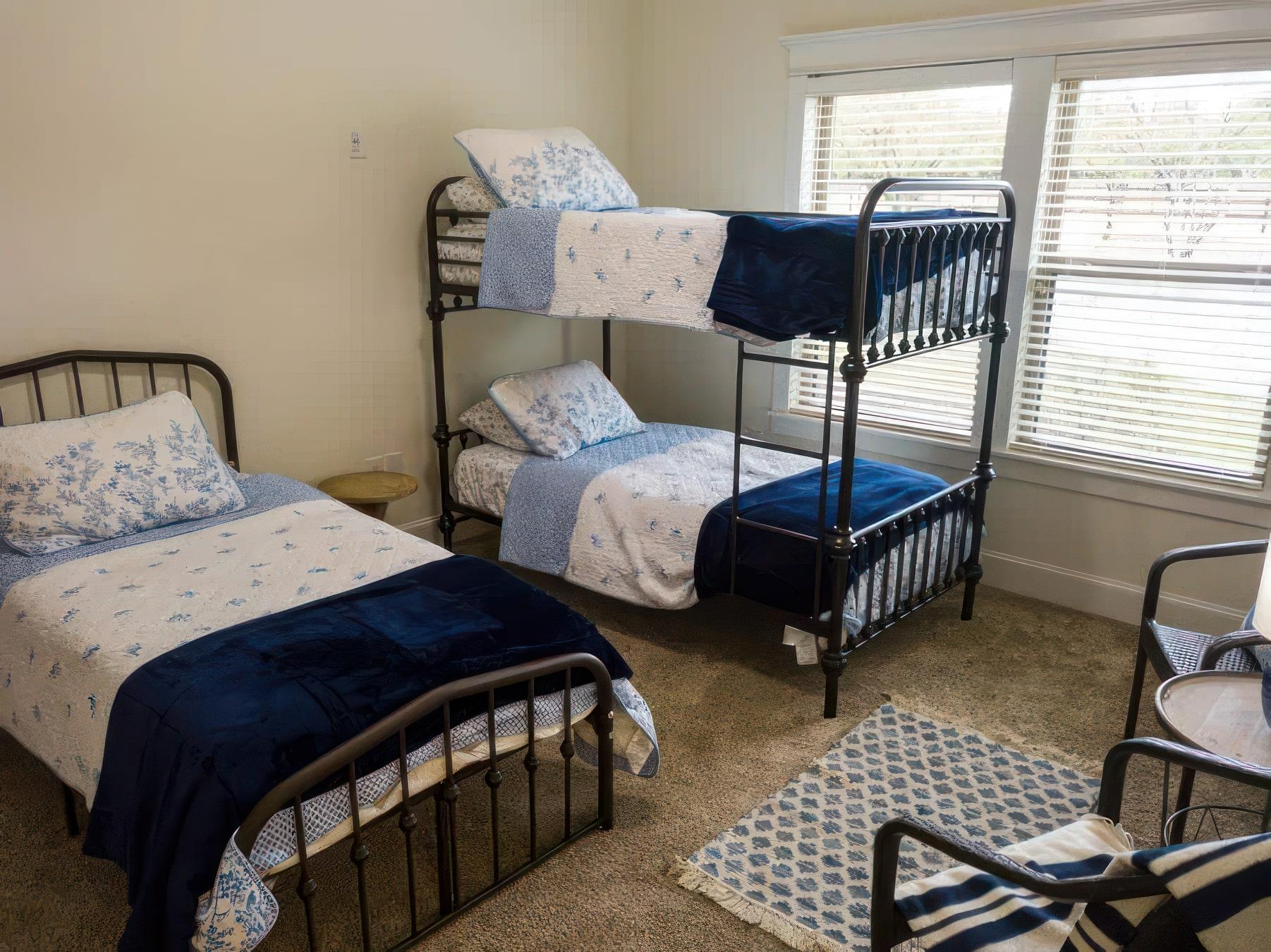
- Residential ranch care: At our ranch in Argyle, your daughter has a structured day built around where she is developmentally, not where adults are.
- Medical support: We have 24-hour nursing on site throughout the residential stay. If something medical comes up, our team is already there.
Roots is not a way to send her far away and hope the problem disappears. We work with your family to ensure your teen heals and recovers.
Residential care brings therapy into the hard hours
IOP or PHP may be enough if your daughter can hold herself steady at home between sessions. When she cannot, this is what the day at Roots looks like.
- Daily clinical structure: Your daughter has counseling, group work, and guided therapeutic exercises built into every day. Treatment does not stop between sessions.
- Reduced electronics: Phones, laptops, and similar personal electronics are not allowed during the residential stay, which can lower online pressure while she focuses on treatment and in-person connection.
- Therapy woven into every day: We may use DBT when she needs practice slowing down before conflict or shutdown takes over. CBT, EMDR, body-focused skills, or family therapy may also be used when trauma or family conflict need more direct support.
Residential treatment should not feel like punishment for a hard season. At Roots, the structure is the treatment: therapy, school, and staff present so that conflict, shutdown, or the same hard behaviors do not return without anyone to respond.



Tennessee parents keep a role in treatment
Sending your daughter to Texas should not remove your voice from treatment. If your family is left out while she is away, the first hard week after she comes home can feel like starting over.
- Weekly family sessions: Scheduled family therapy gives you time to work on communication, boundaries, trust, and what has to change at home while your daughter is still in treatment.
- Parent support: Parent groups and parent education groups give you a place to ask questions, plan your responses, and prepare for what needs to continue at home.
- Sibling support: Brothers and sisters can have support through sibling groups or individual sibling check-ins when needed.
- Structured contact: After the first seven days, your family has weekly phone or Zoom contact. When visitation is ready to schedule, we coordinate that with you directly.
- Family Intensive Weekend: If the clinical team recommends it, a family intensive weekend gives parents a more focused stretch of education, conversation, and planning, typically offered after your daughter has settled into treatment.
School stays part of the treatment plan
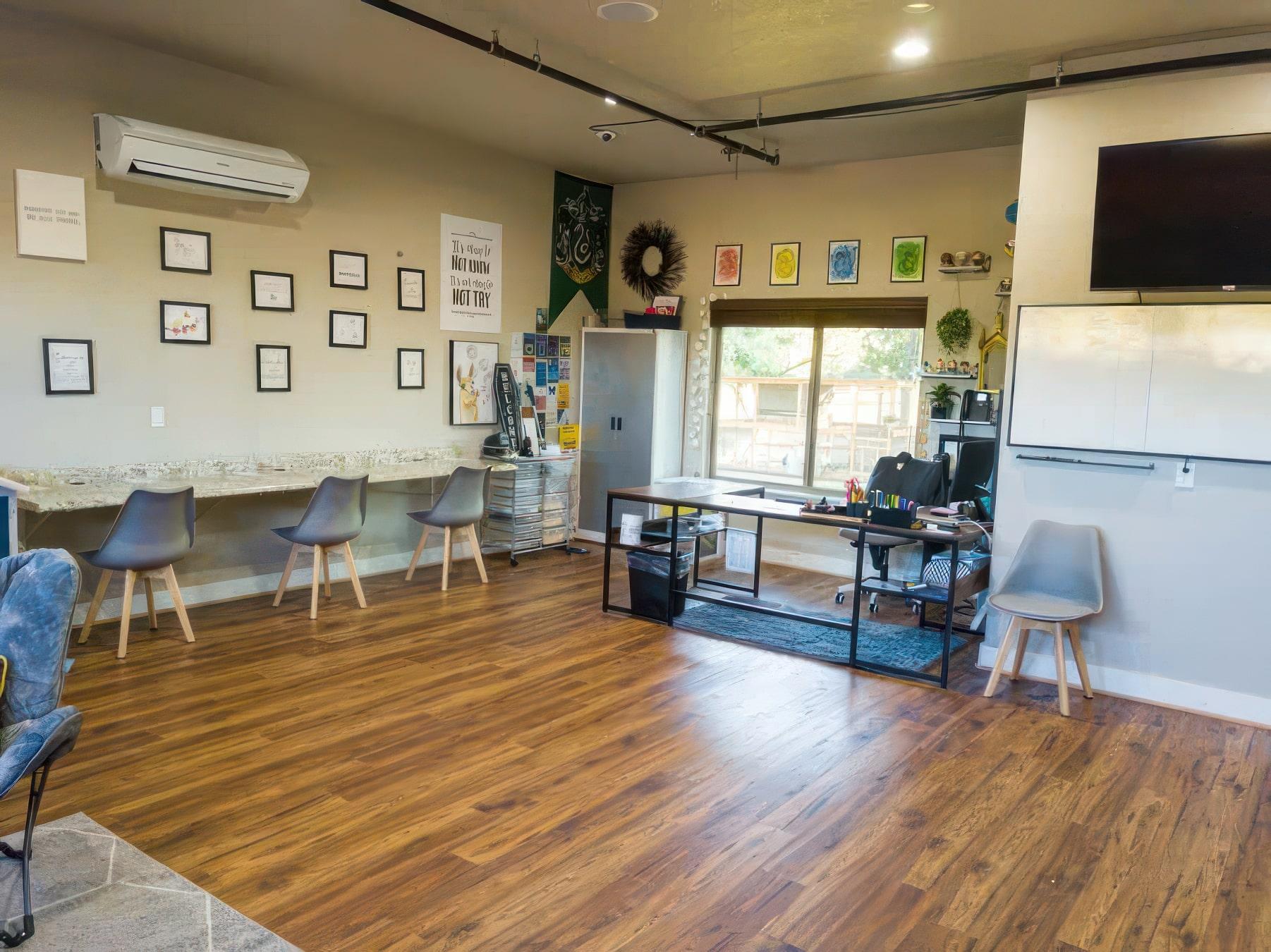
When attendance or credits already feel fragile, residential treatment can sound like another school setback. Roots keeps academics in the treatment day so school does not have to wait until discharge.
- Stays enrolled at home: Girls remain enrolled in their home school district through online learning platforms while they receive treatment.
- Teacher support: A full-time teacher and three certified teachers support academic work throughout the residential stay.
- Daily class time: Your daughter has 2.5 hours of classroom time each day and 1 to 2 hours for homework, with weekly assignments per class.
- Progress updates: Her academic advisor sends weekly progress updates to you and her school.
90% of girls who participate in the education program at Roots show measurable grade improvement by the time they complete the program
Benefits are verified before admission planning
If you have insurance, our team verifies benefits before you commit to our Ranch.
- Benefit verification: Our team checks commercial or employer-based coverage, including many out-of-network benefits.
- Coverage limits: Medicaid and state-funded insurance are not accepted, and final coverage decisions remain with the insurance company.
- Payment discussion: If your benefits do not cover the full cost, we talk through remaining payment questions before your family moves forward.
- Care review stays connected: Insurance review happens alongside what is happening at home, what school needs now, and what has already been tried.
We work with leading health insurance plans
Your insurance provider may cover 100% of your child’s treatment costs
Check if your insurance will cover mental health treatment for your teen
Questions parents ask about our Residential Treatment Program
We tell you honestly whether Roots is the right fit
By the time most parents call, they have been carrying this longer than they expected. We do not open with cost. We start with whether our ranch can actually meet what your daughter needs right now. If it cannot, we say that before you make any plans. If hospital-level care should come first, we will tell you. A call does not commit you to anything except a clear answer on what comes next.
- Call our admissions team: Reach (888) 399-0489 to talk through the week your daughter is actually living and what admission to Roots would require.
- Payment is part of the first conversation: If you plan to use insurance, we verify benefits before you commit to anything. If not, we walk you through private-pay costs on the same call.