What do you think of when you think of the word “resilience?” Maybe it’s someone walking through a blizzard, one step at a time, despite freezing temperatures. It could be someone on a battlefield, enduring multiple attacks, and still standing. Regardless, it’s probably a person who keeps going, despite facing near-constant challenges, right?
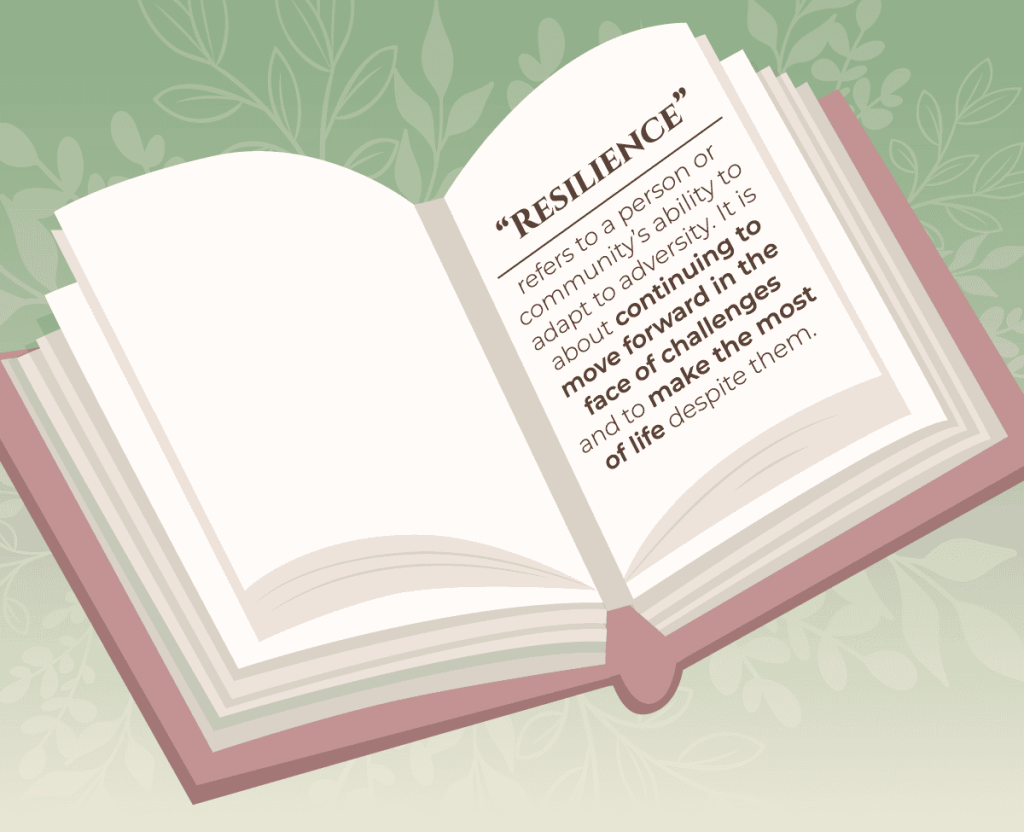
“Resilience” is a term frequently used in the mental health sphere, too. It refers to a person or community’s ability to adapt to adversity. It is about continuing to move forward in the face of challenges and to make the most of life despite them.
In a 2023 survey, 45% of youth said if they don’t understand something right away, they stop trying to understand. 70% of them said if something goes wrong in their life, they can’t stop thinking about it, and nearly as many try to hide it. Our teens could definitely benefit from some extra resilience, especially following the COVID-19 pandemic.
How do we go about building resilience in teen girls facing mental health concerns? At Roots Renewal Ranch we know there’s more all of us can do to help the teens in our lives every day. We’ll cover that in this blog.
How Resilience Helps With Mental Health Concerns: Holding on to Hope
Resilience is proven to improve mental health in teens, and it makes sense. Mental health conditions disrupt our thought processes and behaviors and can interfere with every area of our lives. This is especially true for teens, who are still learning so much, and just beginning to navigate the world on their own.
How they react to challenging situations is key. If something doesn’t go their way, do they shut down and fall into despair, or do they step back, reassess the situation, and approach it from a different angle? The first response can promote depression and anxiety, while the second is rooted in hope.
Resilience correlates with how stressed people feel, too, and we know stress, especially over time, can lead to mental health concerns. Resilient teens are more likely to come up with plans and problem-solve to manage their stress. They’ll adapt to difficult situations and push through even when they feel overwhelmed, and they’ll be more likely to get up and try again when they fail. Other teens might panic or give up, which only leads to additional stress and potential for mental health concerns.
The Importance of Resilience in Teen Girls: Enduring the Pressure
Teens experience a lot. Sure, they might not have to worry about maintaining a career or paying bills full-time, but they do have to focus on learning at a rapid-fire pace, both in academics and life as a whole. They’ll carry the lessons they learn during these years for the rest of their lives.
They’re also under a lot of pressure. Whether it’s peer pressure to make poor decisions, parental pressure to perform well in their classes, or pressure from school faculty to perform well on their sports team, no teen is free from it. That’s not even touching on the pressure to fit in and conform to what’s “cool” in the teenage years, or the unrealistic beauty standards girls often feel the need to live up to.
Unfortunately, many teenage girls experience trauma, too. Resilience is an invaluable asset in life’s most terrible moments. It can be hard for anyone to successfully cope with and process trauma. Teens with more resilience are more likely to do so in a healthy way, while less resilient teens are more likely to develop mental health conditions.
Resilience has a lot to do with teens’ abilities – not just to adapt under difficult circumstances, but to learn from mistakes and challenges that pop up in their lives. From relationship drama to their parents getting divorced, and everything in between, resilience is key for teens to thrive.
Ways to Build Resilience: Tips for Parents
There are a lot of ways to build resilience, and parents can play a huge role in their teens’ growth in this area. Fostering self-respect and self-compassion is huge, as is teaching them social skills like conflict management, teamwork, and respect for others.
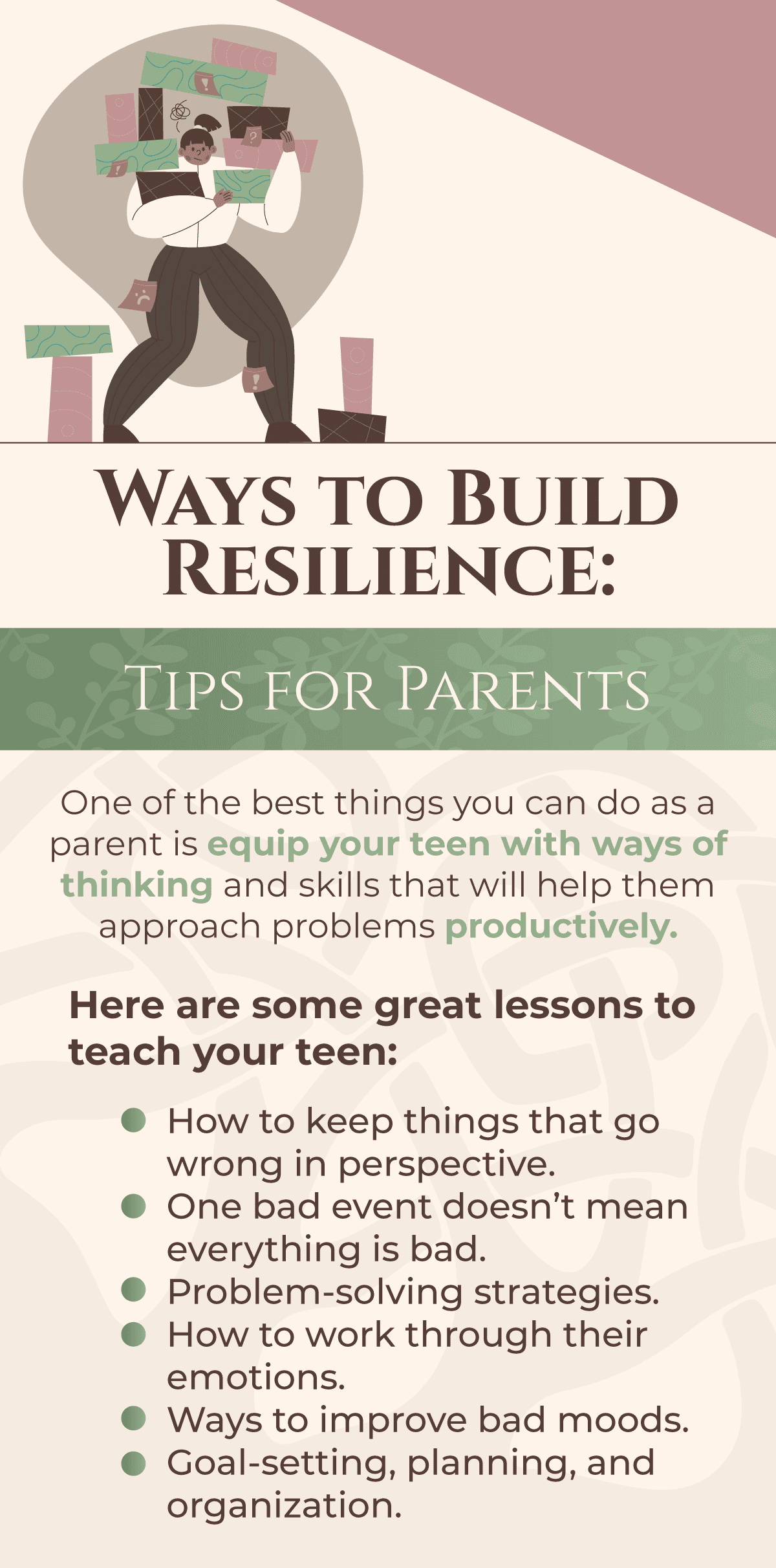
One of the best things you can do as a parent is equip your teen with ways of thinking and skills that will help them approach problems productively. Here are some great lessons to teach your teen:
- How to keep things that go wrong in perspective. How much will this problem matter in a week, or a few months, or longer? How much of the teen’s life does it really impact?
- One bad event doesn’t mean everything is bad. Being disappointed is fine and even healthy, but focusing on the good things still going on is helpful.
- Problem-solving strategies. You can work on these all the time, even in fun ways, like through logic puzzles. It’ll pay off when problems arise.
- How to work through their emotions. It’s important to feel emotions! It’s just as important to learn how to process them and recover.
- Ways to improve bad moods. Spending time with loved ones, exercising, doing something they love, and doing good deeds can all give a teen a boost when they’re not feeling the best emotionally.
- Goal-setting, planning, and organization. This will help teens stay on track, stay motivated, and even prevent some problems and unnecessary stress.
Empathy Is Key: How Self-Compassion Builds Resilience for Teens
Self-compassion is not being too hard on yourself when something goes wrong. Self-compassion is saying, “I messed up, but everyone makes mistakes, and I’ll do better next time,” as opposed to beating yourself up over a misstep. It’s fostering positive self-talk in the face of adversity.
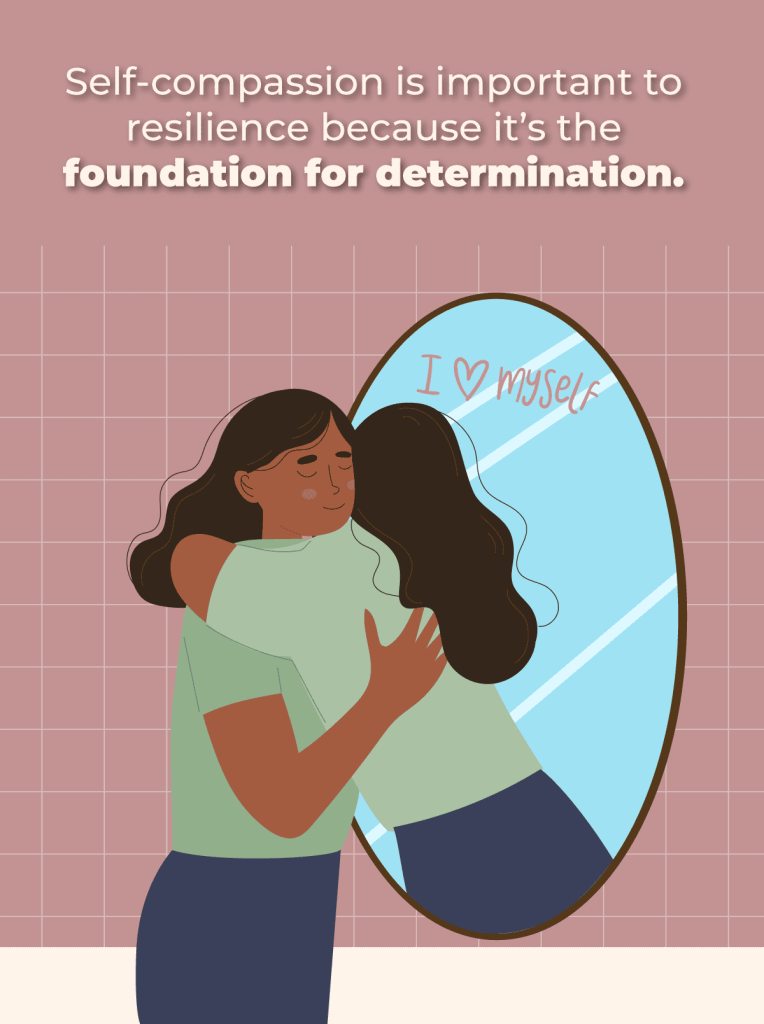
Self-compassion is important to resilience because it’s the foundation for determination. It’s easy to give up when you tear yourself down for everything you do wrong or every failure. Some degree of failure in life is inevitable, and sometimes this can be hard for growing teens to accept. They can get overwhelmed, and react intensely and emotionally.
The best thing you can do to help is offer compassion to your teen when they’re being hard on themselves. Children – teens included – learn a lot by modeling what their parents do, and they often will mirror your attitudes toward them when they think about themselves. Next time you have the urge to harshly scold your teen, maybe think about it a little longer and see if you can approach it from a more empathetic angle. You might be surprised by how well they respond.
The Power of Friendship: Building Strong Peer Relationships
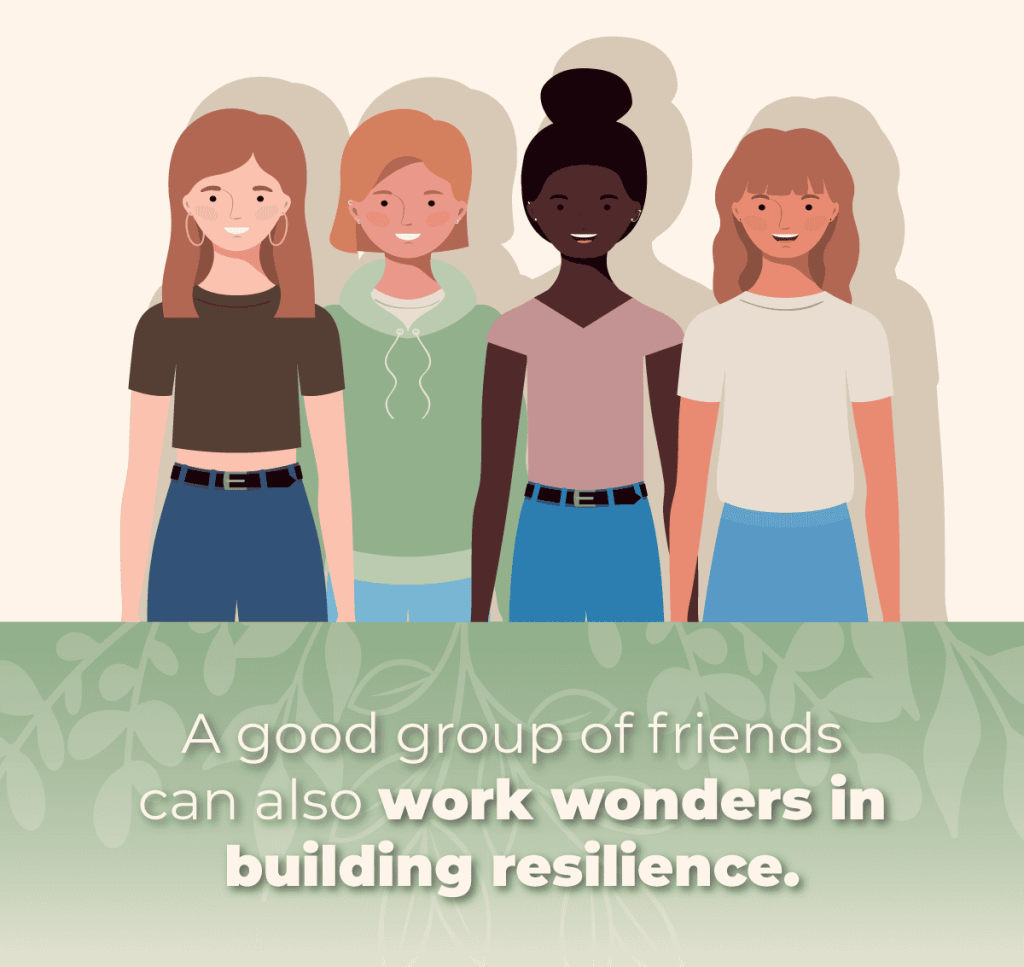
A good group of friends can also work wonders in building resilience. Friends can encourage one another when they aren’t feeling their best, and lend a helping hand when something goes wrong. While resilience might seem like something only related to the self, a quality support system makes any challenging moment a little easier. Peer relationships in particular are important because they’re a support system outside of the teen’s family, allowing for some independence, and the ability to shape their own relationships and fill their lives with people who make them feel like the best version of themselves.
Remember: Resilience Doesn’t Mean Invulnerability
Sometimes, being resilient is hard, and can feel like a lot of pressure. Being resilient isn’t about being perfect – it’s about not getting discouraged by those imperfections in the long run, and continuing to move forward. Sometimes, teens will get thrown off course or be really upset about something and not know what to do. That’s okay. It doesn’t mean they aren’t resilient. It just means they need a little additional time to feel their emotions and adjust to the situation.
Even negative feelings are healthy, and trying not to feel them can make being resilient much harder! It’s best to let teens process things in their own time. If they fall into despair, self-pity, or get stuck in a poor mental state for a long time, though, they could use additional support. Whether that’s just help from you or attending therapy depends on each situation and teen.
Mental Health Treatment for Teen Girls in the Dallas-Fort Worth Area
While teens with mental health concerns are usually the ones with the greatest need for additional resilience, it can also be hard for them under the weight of their symptoms. That’s a lot to manage as a parent, and you shouldn’t expect yourself to have all the answers or be able to fix everything. If you try the suggestions in this blog and still don’t find success, it might be time to consider teen therapy for your daughter. Mental health professionals are well-trained in strategies to build resilience and can help your teen work through any other concerns that arise along the way.

Roots Renewal Ranch offers mental health and substance use disorder treatment for girls ages 13-17. Our care is trauma-informed, and we’re experts in treating conditions like anxiety, depression, PTSD, and more. We ensure girls who come to us can heal in a peaceful, supportive environment, surrounded by the comfort of animals. Call us at 888-399-0489 for more on how we can help. Your daughter is strong, she is loved, and she is enough.

