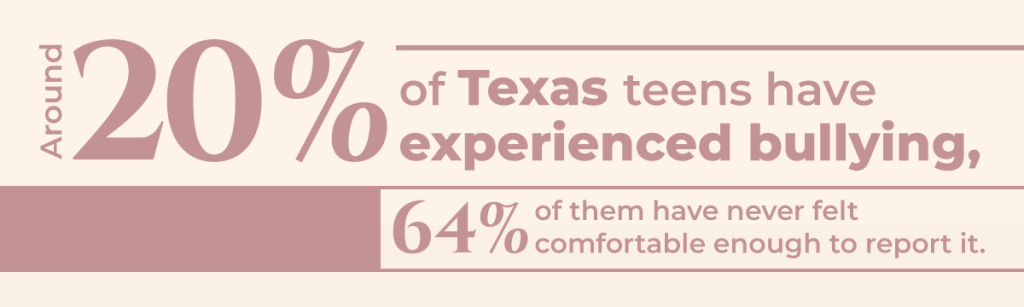
If you think your teen daughter is experiencing cyberbullying, your instinct might be to try and understand how it’s affecting her or how you can help. This kind of bullying can be damaging, and it’s incredibly common. Around 20% of Texas teens have experienced bullying, and 64% of them have never felt comfortable enough to report it.
The good news is that there’s hope. Texas has laws surrounding cyberbullying, as do most schools. Speaking up starts at home, and the earlier you start talking to your teen about this, the better. At Roots Renewal Ranch, we understand what it’s like to be a concerned parent. Let’s talk about cyberbullying, what to do when it happens, and how we can help your daughter heal and find strength.
What Is Cyberbullying and How Is It Different From Bullying?
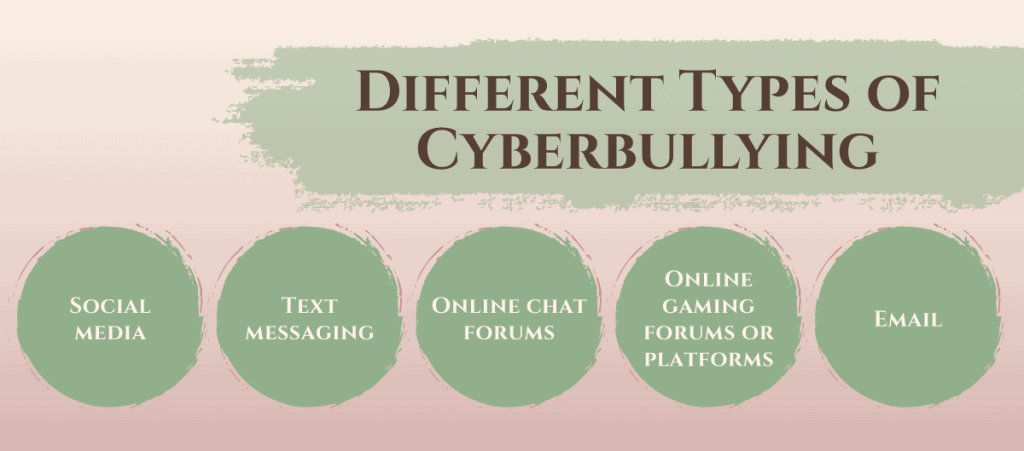
Cyberbullying is a type of bullying that occurs online or electronically. It’s commonly seen on social media platforms like Facebook, Snapchat, or Instagram, but it can be found in other ways, as well. Cyberbullying can also happen via text messaging.
It’s no secret that cyberbullying can happen at any age. When was the last time you saw negative or degrading comments online on a video or post? Yesterday? As adults, many of us have learned how to roll our eyes or scroll past negativity. But for teens, it’s a different story.
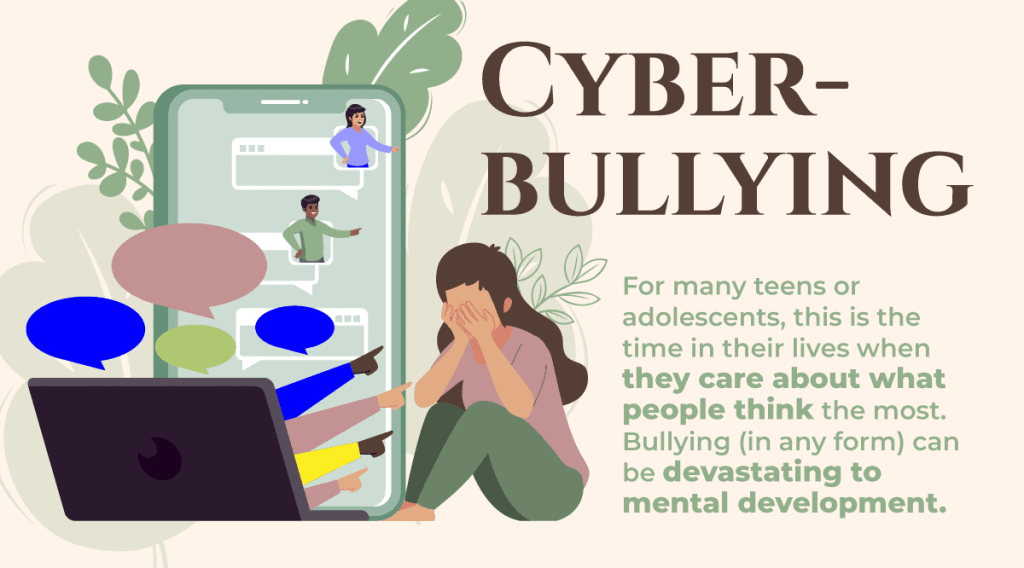
Many of these cyberbullying attacks are deeply personal, especially when teens are still trying to figure out who they are and what they stand for. For many teens or adolescents, this is the time in their lives when they care about what people think the most. Bullying (in any form) can be devastating to mental development.
It can be too easy to misunderstand what peer relationships mean to your teen daughter. After all, she can choose to ignore the heckling and the put-downs, right? On the surface, your teen may act like she has the bullying under control, but make no mistake: bullying is serious, and it has been shown to cause suicidal thinking, self-harm, depression, and anxiety. This kind of mental abuse is just as powerful as physical abuse. That’s why it’s important that it is addressed and discussed as it’s happening.
Unfortunately, we can’t always have these discussions with our teens before the damage is done. They may be unwilling to talk to us or they may feel embarrassed about what’s happening. The bullying may also be so severe that your support and communication are no longer effective. If that’s the case, finding high-quality mental health treatment can make all the difference.
What Are the Different Types of Cyberbullying Someone Can Encounter?
If you’re concerned about cyberbullying, you can talk with your daughter about the forms it comes in. Some of the most popular types of cyberbullying include:
- Social media (Facebook, Tiktok, Instagram, Snapchat). If cyberbullying were England, social media would be the queen. Teens and social media have been interconnected for quite some time now, and this isn’t changing any time soon. Research shows that 90% of teens have a social media account, and 51% of teens access that account every day. Social media platforms play a significant role in the lives of most adolescents and teens, and it isn’t always used in positive ways. Some kids will use social media to blackmail, criticize, shame, and degrade others in their classes or in their schools. Many times, they can do this while remaining invisible. They’ll create fake accounts under fake names or they’ll make a comment that will vanish mere minutes after it’s posted. Even video platforms like Tiktok or YouTube can be used for bullying.
- Text messaging. Bullying via text messaging is personal and it’s common. This kind of cyberbullying typically involves friends (or even best friends) because they have each other’s numbers. Getting into a “fight” isn’t the same now as it was 20 years ago. Teens can say threatening or hurtful things over text, thinking they won’t be penalized for it.
- Online chat forums (like Reddit or Quora). Online chat forums aren’t as popular, and the bullying that happens on them tends to be between strangers. These are places people will go to ask a question about absolutely anything and get responses from others. An example of a question might be “My girlfriend broke up with me and started dating someone else the next day, does that mean she’s cheating on me?” Anyone in the world can respond to these questions. If your teen posts a vulnerable question on a chat forum like this, she needs to prepare herself for hateful or judgemental comments from strangers.
- Online gaming forums or platforms (like Steam). If your daughter is a fan of online gaming, chances are, she knows what Steam is. Discord is another popular platform for gamers. Essentially, this is a place where people of all ages go to discuss the games they’re playing or collaborate. Discord has chat, audio, and video features. It is “easy” for anyone to be bullied on this platform, especially if they join a group that includes their peers. People can use Discord to send incriminating photos, spread rumors, or share harmful/inappropriate videos. Massive multiplayer online role-playing games, or MMORPGs, are another place your daughter might experience bullying in the gaming community. Games like World of Warcraft and Call of Duty have chat features where players can often act out maliciously. Even games like Roblox or Minecraft, which are marketed and popular among children and teens, are susceptible to cyberbullying. They may censor certain words or phrases, but other kids can still be cruel on these platforms, often targeting others in deeply personal ways.
- Email. This may seem like the least likely scenario, but it happens a lot. Most schools give their students a district email address. They do this to make email safer for students. With a district email address, students can only receive emails from others inside the district. In other words, they can only communicate with their friends at school, their teachers, or other school staff. Most of the time, these emails are not monitored. Students can send emails (including group emails) to each other while they’re at school or at home. These messages are private, and some students will use this system to send hateful comments or messages to other students in their school.
Statistics on Teen Girl Cyberbullying – How Common Is It?
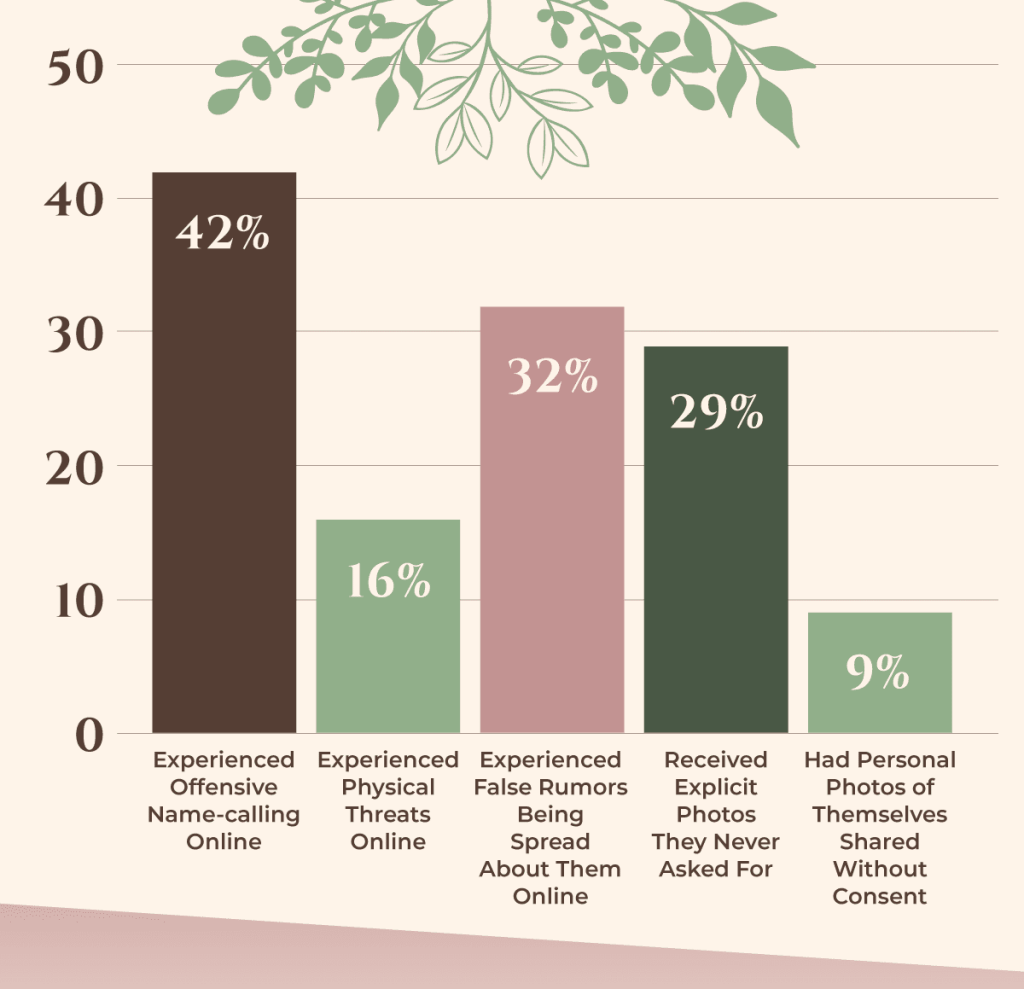
If your daughter is being bullied online, she’s not alone. Take a look at these shocking statistics:
- 42% of teens have experienced offensive name-calling online
- 16% of teens have experienced physical threats online
- 32% of teens have experienced false rumors being spread about them online
- 29% of teen girls received explicit photos they never asked for
- 9% of teens have had personal photos of themselves shared without their consent
The Consequences of Online Harrassment
All states have a law regarding bullying, and a lot of states have included cyberbullying in those laws. Each state differs in its approach, but in Texas, David’s Law requires the board of trustees of each school district to have procedures in place that notify the parent of the person being bullied (along with the parent of the person who has done the bullying) within 3 days. If the bullying happens on school property, the principal has the authority to dole out consequences as they see fit. If the bullying happens outside of school grounds (which is often the case with cyberbullying), the person who has been bullied, or their parents/caregivers, can contact the sheriff’s department. David’s Law has made it possible for all students to anonymously report bullying.
Why Do Teens Cyberbully Other Teens?
It’s impossible to speculate why a teen might decide to start cyberbullying another teen. Home lives often play a role – if a child is feeling insecure or unloved they may lash out. Popular students will sometimes cyberbully others in order to keep their popularity status. Some students see it as a way to attain control or social standing. For some, it helps them cope with low self-esteem or low self-confidence. Anonymity also plays a role because students often feel like they can “get away” with bullying if they’re behind a screen, sight unseen. Many cyberbullies simply aren’t aware that the consequences of bullying are severe.
How Roots Renewal Ranch Can Help Your Teen Girl With Cyberbullying
Learning that your daughter is being cyberbullied can be scary. How far has it gone? How does she feel about herself now? Is this going to affect her for the rest of her life?
It doesn’t have to.
The kind of treatment that’s provided at Roots Renewal Ranch is curated for young girls who need to find strength, hope, and healing. At Roots, we understand how painful online harrassment can be. We work with your daughter to find the truth through the lies she’s heard so she can take back control of her life.
Through a comprehensive, whole-child (biological-psychological-social-spiritual) approach, provided in a safe, nurturing, and undistracted environment, the girls at Roots will journey through their life story, discover their core roots, create a loving sense of self, reconnect with family and community, build hope in a healthy and purposeful life, and develop a firm belief that they are enough.
At Roots Renewal Ranch, we use a comprehensive whole-child approach to implement a safe, nurturing, and distraction-free environment for emotional growth and healing. We want your daughter to journey through her story and discover a loving sense of self. Here, we build hope in a healthy and purposeful life while helping your daughter develop the whole-hearted belief that she is worthy of love and happiness. If you think your daughter could benefit from mental health services, call us today at 888-399-0489 so we can help.

FAQs & Parent Information
How does cyberbullying affect mental health?
Bullying is serious, and it has been shown to cause suicidal thinking, self-harm, depression, and anxiety. This kind of mental abuse is just as powerful as physical abuse.
Does cyberbullying cause anxiety?
Yes, if gone untreated, cyberbullying can cause anxiety in teens.
What type of abuse is cyberbullying?
Cyberbullying is a type of bullying that occurs online or electronically. It’s commonly seen on social media platforms like Facebook, Snapchat, or Instagram, but it can be found in other ways, as well. Cyberbullying can also happen via text messaging or photo sharing.
