In 2023, around 70% of Texas teens reported being bullied at some point in their lives. 30% of the teens surveyed in the same study said they were bullied in the past month.
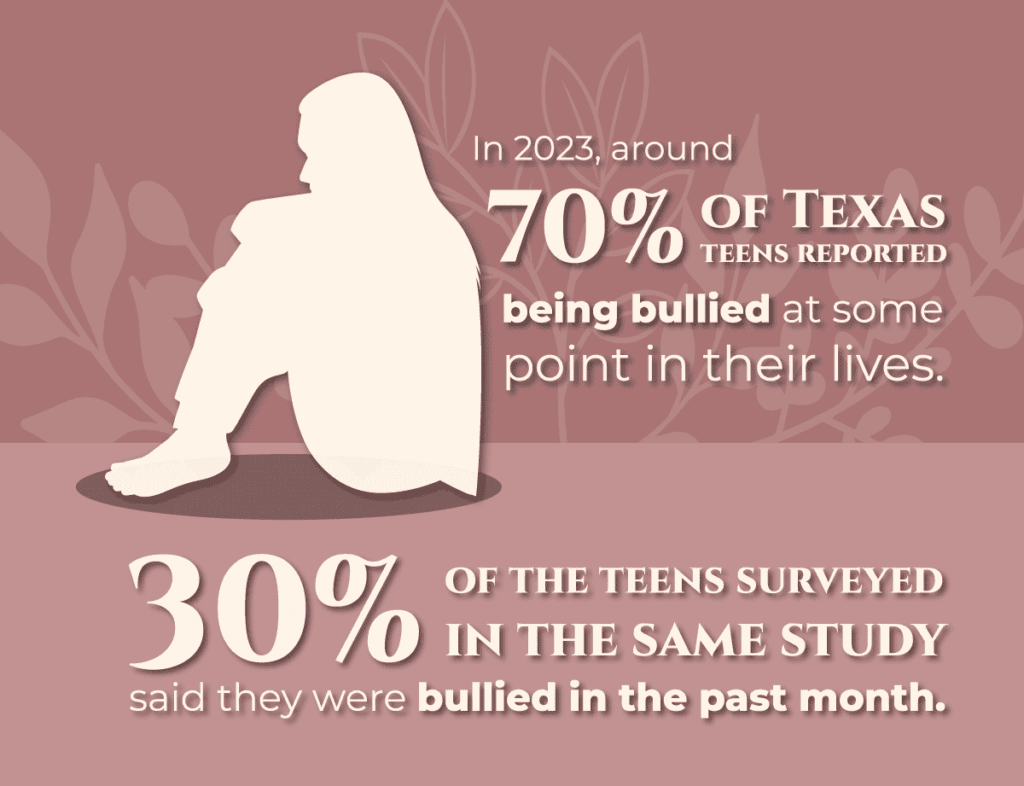
Well over half of the teens in Texas have experienced bullying. Enduring cruel behavior is bad enough, but when you take the long-term impact bullying has on teens’ mental health into account, it’s even more heartbreaking.
Teenage girls report more mental health concerns on average than boys, with or without bullying. When you add meanness from peers into the mix, it takes a serious toll on girls’ well-being.
Thankfully, adults can help. Our mission at Roots Renewal Ranch is to empower teen girls to heal and overcome any obstacles in their lives, bullying included. Here’s what you need to know about how bullying impacts teen girls’ mental health, and how you can help.
What Qualifies as Bullying?
Everyone can be mean sometimes, especially teenagers. How do you know when mean behavior crosses the line into bullying? Sometimes it’s hard to tell. This is why a clear definition is helpful.
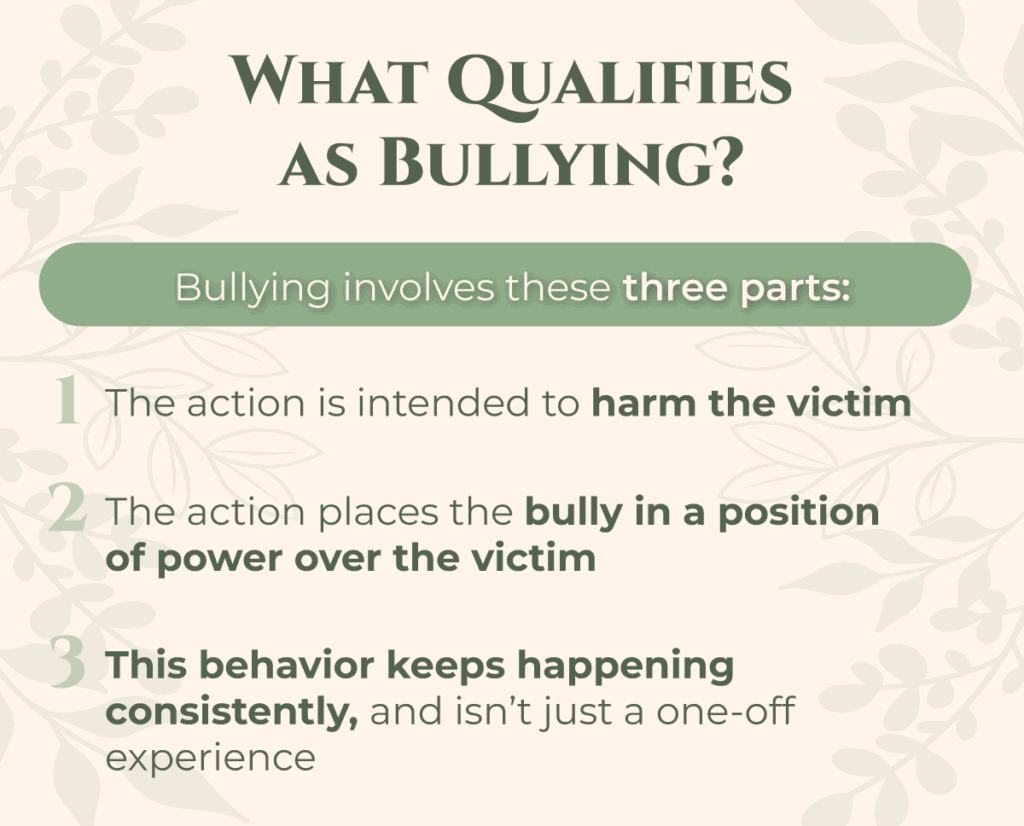
Bullying involves these three parts:
- The action is intended to harm the victim
- The action places the bully in a position of power over the victim
- This behavior keeps happening consistently, and isn’t just a one-off experience
This isn’t to say a teen being cruel once or twice isn’t serious or hurtful. These incidents can cause teens a lot of pain, and they’re always worth discussing. It just means they wouldn’t fit our definition of bullying unless the behavior happens continuously.
Types of Bullying, What They Look Like in Action, and Signs to Look For in Your Teen
Unfortunately, teens can get very creative in how they’re cruel to each other. It’s important to know what bullying looks like so you can keep an eye out for signs in the girls you love. Check out our chart below for more information.
| Type of Bullying | Examples | Signs |
|---|---|---|
| Physical bullying | Hitting, kicking, shoving, physically fighting, and stealing or breaking belongings | Unexplained cuts and bruises, or other injuries; frequently “losing” things or damaging belongings |
| Verbal bullying | Name-calling, threatening, spreading rumors, talking behind someone’s back, and making offensive remarks | Increased insecurity, extreme reactions to loud noises or yelling, different eating habits, and making degrading comments about themselves |
| Social/Relational Bullying | Attempts to damage the victim’s relationships, excluding them from activities, spreading rumors to destroy social standing, and turning others against the victim | Losing friends, avoiding social situations, difficulties trusting others, trouble sleeping, anxiety |
| Cyberbullying | Any bullying happening over technology, such as online harassment, mean messages, posting embarrassing photos or secrets publicly, and online impersonation | Increased screentime, extreme reactions to being away from their phone or computer, seeming upset after using their devices, sudden crying spells |
This chart isn’t an exhaustive list, and it also doesn’t account for every possible method or reaction to bullying. Every teen is unique and will experience and react to bullying differently. It’s also possible for teens to experience multiple types of bullying at once.
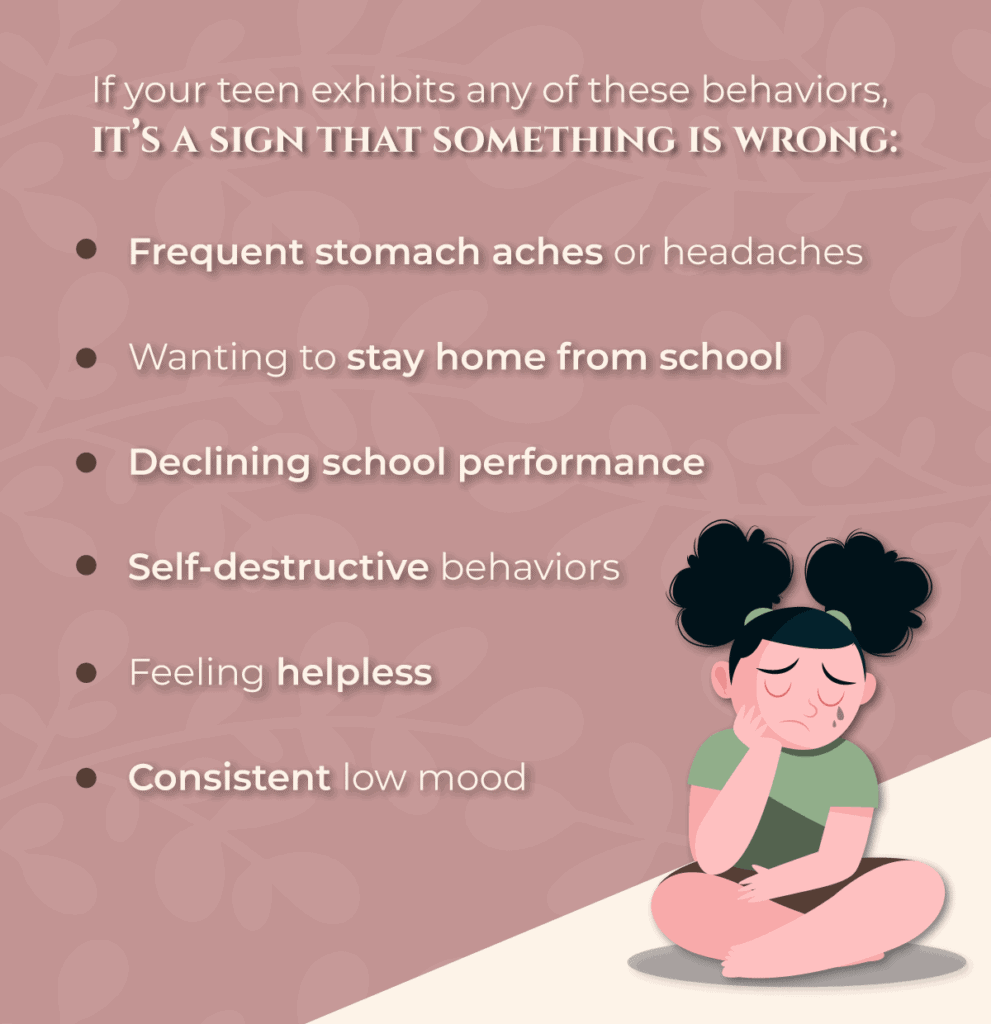
There are also plenty of signs of bullying that aren’t exclusive to one category, too. If your teen exhibits any of these behaviors, it’s a sign that something is wrong:
- Frequent stomach aches or headaches
- Wanting to stay home from school
- Declining school performance
- Self-destructive behaviors
- Feeling helpless
- Consistent low mood
Whether it’s bullying or not, if anything on this list reminds you of a girl you know, she needs some extra support, and it’s a good idea to talk to her.
How Bullying Affects Teens’ Mental Health
Bullying has a massive impact on teens’ mental health. Identity-based, social, and cyberbullying are, maybe surprisingly, even more damaging to mental health than physical bullying.
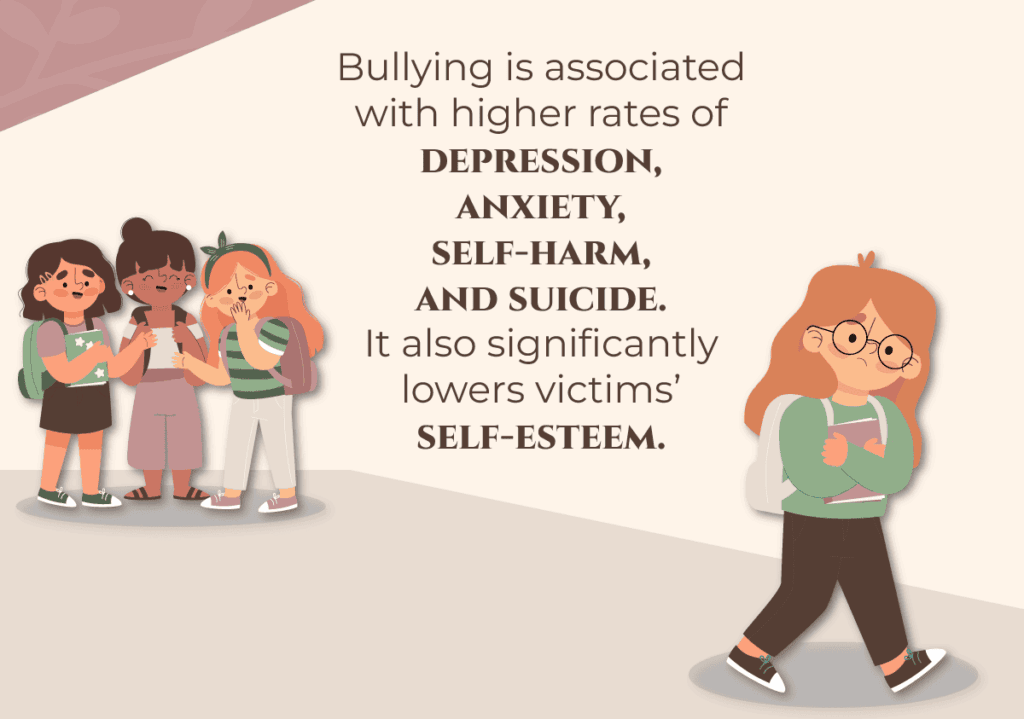
Bullying is associated with higher rates of depression, anxiety, self-harm, and suicide. It also significantly lowers victims’ self-esteem. Victims of bullying internalize their feelings more, which creates a cycle of negative emotions and poor mental health. Teens who are bullied often feel a lot of shame about whatever the bullying picks on, and the fact that they’re getting bullied in the first place. These feelings are hard to live with, and when a teen internalizes those feelings instead of talking about them or expressing them in healthy ways, it’s a recipe for plunging mental health.
Does Bullying Affect the Perpetrator’s Mental Health Too?
Yes! Studies show that engaging in bullying is linked to poor mental health, too. It’s actually a cycle – teens engage in bullying because of the mental health concerns they have, and when they bully others, those feelings only get worse.
It makes sense. Bullying is an unhealthy coping mechanism. That means whatever the perpetrator is trying to cope with isn’t getting addressed. The temporary feeling of power that comes with bullying isn’t a replacement for real respect, healthy relationships, or positive attention. Hurting others hurts everyone involved. It doesn’t heal anything.
What if My Daughter Is the One Doing the Bullying?
It’s key to acknowledge this possibility, even though it’s hard. It’s just as important to keep in mind that girls who engage in bullying behavior aren’t terrible people. They have reasons for their behavior, and oftentimes, need as much support for their mental health as any victim.
Perpetrators of bullying are also more likely to develop mental health conditions in adulthood, and are more likely to break the law. Students who engage in bullying also have a higher chance of using substances later down the line. That makes bullying behavior even more important to address, and the sooner you do it, the better.
Why Teens Engage in Bullying
The first step to stopping bullying is understanding why teens do it. There are a lot of possibilities, including:
- Difficulties managing anger
- Rebellion against rules
- Viewing violence positively
- Having friends who bully others
- Feeling a lack of control in their lives
- Wanting to have power over others
- A desire for respect
- Putting others down to feel better about themselves
- Jealousy
- Looking for attention
- Not knowing how to navigate relationships
- Mental health conditions that make empathizing difficult
Even though bullying is never okay, it’s easier to follow the logic of a bully when you consider their reasoning behind it. Remember: bullying is really just an unhealthy coping mechanism. Often, girls who bully others don’t understand their own motivations, but if you can figure out why they’re bullying others, it helps. Then, they can find new, healthier, and more effective ways to deal with what’s troubling them.
Confronting and Correcting Bullying Behavior
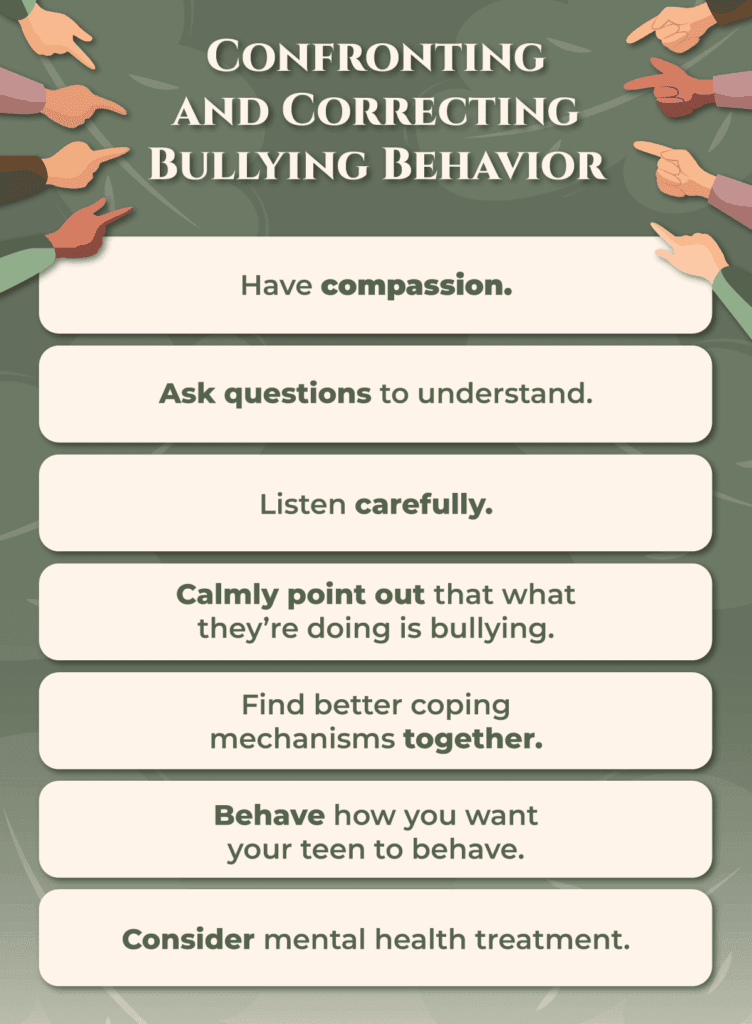
If you suspect a girl in your life is bullying someone, talking to her about it is vital. Keep these tips in mind when preparing for your conversation:
- Have compassion. Perpetrators of bullying are usually dealing with a lot of pain, and if you diminish that or approach them with hostility, they won’t be open to talking for long. Remember: they’re people too!
- Ask questions to understand. You can use the list in the previous section as a reference point. Try asking questions like, “Do you have any friends who are mean to others?” “Do you feel like your life is out of control?” “Is there anything the person you’re hurting has that you wish you had?” Really explore how they’re feeling.
- Listen carefully. Often, teens who bully others don’t feel like they can express themselves safely. You want to create an environment where they feel okay being open about their feelings. This conversation is about understanding them first and foremost – not about what you think they should do.
- Calmly point out that what they’re doing is bullying. Many teens – especially girls – don’t realize their behavior qualifies as bullying. Sometimes hearing this serves as a wake-up call. Make sure to deliver this with empathy, too.
- Find better coping mechanisms together. Once you better understand why your teen is bullying others, you can find new ways to deal with those feelings. If your teen experiences anger and aggression, maybe getting into a physical sport might help. If they want to feel important and respected, volunteering with a cause they care about can let them make a positive difference.
- Behave how you want your teen to behave. Teens model behaviors they see in the people around them – especially their parents. It’s a good time to analyze your own behavior and see if there are any bad habits your teen picked up from you. It’s never too late to change and be a great role model.
- Consider mental health treatment. Teens manage a lot during this stage of their lives. Sometimes it’s downright unreasonable to expect yourself to be able to handle and help with all of it. Getting a mental health professional involved is never a bad idea.
How to Heal From Bullying During Adolescence, and What Parents Can Do to Help
If you think a teen in your life is being bullied, it’s important to talk to them, too. Bullying feels alienating and demoralizing, and just showing that you notice they’re having a hard time can make a world of difference.
Sometimes victims of bullying hesitate to tell others the truth about what they’re going through. They might be embarrassed, feel like no one really wants to help, or fear retaliation from their bullies if they tell someone. Making them feel safe and letting them know you’re on their side is key.
Funnily enough, a lot of what goes into talking to a perpetrator of bullying applies when talking to a victim of bullying. Approach the conversation with empathy, a desire to understand the teen’s feelings, and be prepared to listen more than you talk. Then:
- Make sure they know the bullying isn’t their fault. Victims of bullying often feel a lot of guilt and shame.
- Humanize the person bullying them. If teens understand the reason behind bullying and can have compassion, it’s harder for bullies to keep being mean.
- Practice confidence. Teach the teen confident body language, and work on correcting negative self-talk, even if they have to fake it at first.
- Encourage them and their strengths. Bullying does massive damage to self-esteem, but if you shine a light on what makes them so amazing, it’ll be easier for them to focus on that, too.
- Focus on investing in positive relationships. Help your teen figure out who their real friends are, and focus on building those friendships. If they don’t have many friends, figure out ways for them to make more together.
- Suggest ignoring continued bullying. A lot of times, bullies get satisfaction out of their victims’ reactions. If your teen doesn’t react, it’ll feel a lot less rewarding for them, and might lessen the bullying.
- Talk to school officials if needed. All bullying is serious, but if the bullying is still happening despite these steps, taking further action is a good idea. School officials can make sure the perpetrator receives consequences and offer your teen additional support at school.
- Consider mental health treatment. Bullying is hard. It takes a toll on victims, but if your teen is being bullied, it’s hard on you, too. Don’t expect yourself to manage it alone, and get extra support for your teen’s mental health from a professional.
Finding Mental Health Treatment for Teen Girls in the Dallas-Fort Worth Area
Maybe the first time or two, a teen can shrug off a snide comment or someone teasing them. When mean behavior continues and evolves into bullying, it becomes a massive burden for girls who are already managing so much during adolescence.
Sometimes, that burden is too heavy to handle with the resources you have at home. If that’s where you are now, you haven’t done anything wrong. Your family just needs extra help carrying that weight. That’s where mental health treatment can come in. A team of mental health professionals can evaluate your teen’s situation and come up with a game plan to tackle the bullying and pain that comes with it. Just reach out.
