As parents, we always try to do right by our children. So, when you decided to go back to work to help support the family, you made sure you found the highest ranking babysitter in the Argyle area.
Your daughter started going there when she was 5, and everything was going well. Until she turned 10 and began refusing to go, throwing fits and sneaking away from school to avoid the sitter. You assumed she must have felt responsible enough to stay home by herself, and you allowed her to have that freedom.
As she got older, she began rebelling more. You could tell she was vaping, drinking, and sneaking out as much as she could. When you confronted her, she responded with anger and yelling, blaming you for her acting this way.
Then you see it, the news story on NBC 5. Her old babysitter was being arrested for counts of child abuse and neglect. Tears well in your eyes as you make the connection to why your beautiful girl did not want anything to do with the babysitter. Did she have this experience too?
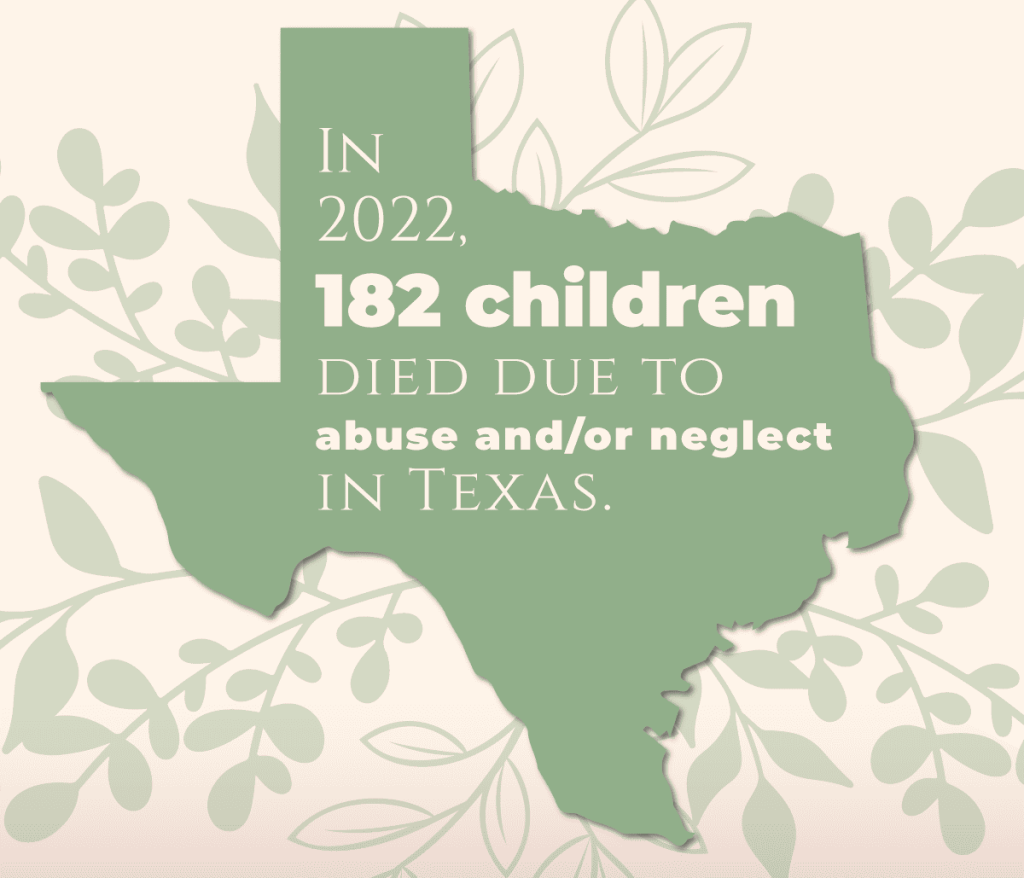
In 2022, 182 children died due to abuse and/or neglect in Texas. Here in Denton County, there were 7, and with a population of just over 5,000, losing 7 children to a preventable cause is too many. At Roots Renewal Ranch, we understand that it can be difficult to identify the signs of trauma in adolescence. Our goal is to provide a safe place for teen girls to address their pasts and look forward to a bright and beautiful future.
Common Traumatic Experiences for Teens
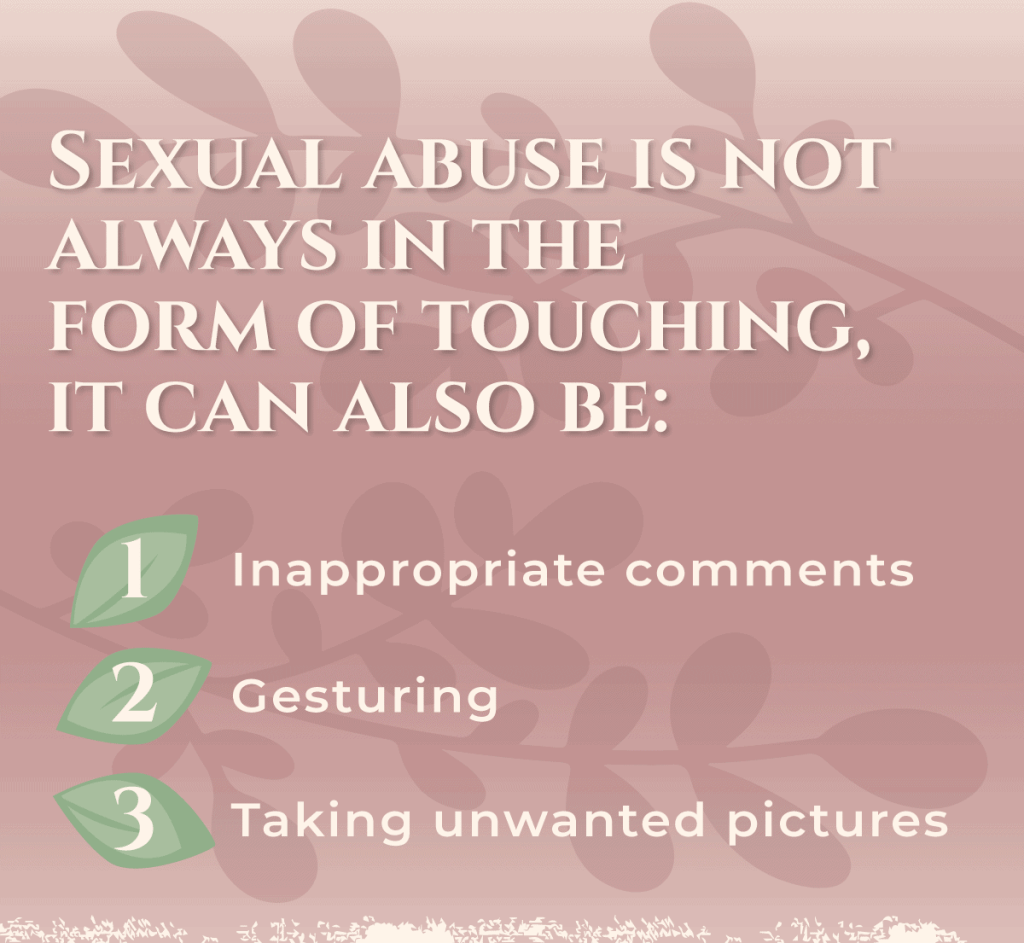
One of the most common traumatic experiences among teens is sexual abuse. This can come from fellow peers, family members, or even trusted adults such as teachers. Sexual abuse is not always in the form of touching, it can also be inappropriate comments, gesturing, or taking unwanted pictures. While this is mainly common for teen girls, other types of traumas can affect adolescents including:
- Situations such as hunger from poverty
- Emotional, mental, or physical abuse
- Parents or caregivers with substance use disorders or mental health conditions
- Witnessing or experiencing domestic violence
- Separation or loss of a loved one
Some teens experience multiple traumas, typically those whose parents are managing a substance use disorder. When parents are unable to provide proper care for their teen, the teen is forced to learn how to take care of themselves and possibly younger siblings.
Teen Trauma And PTSD
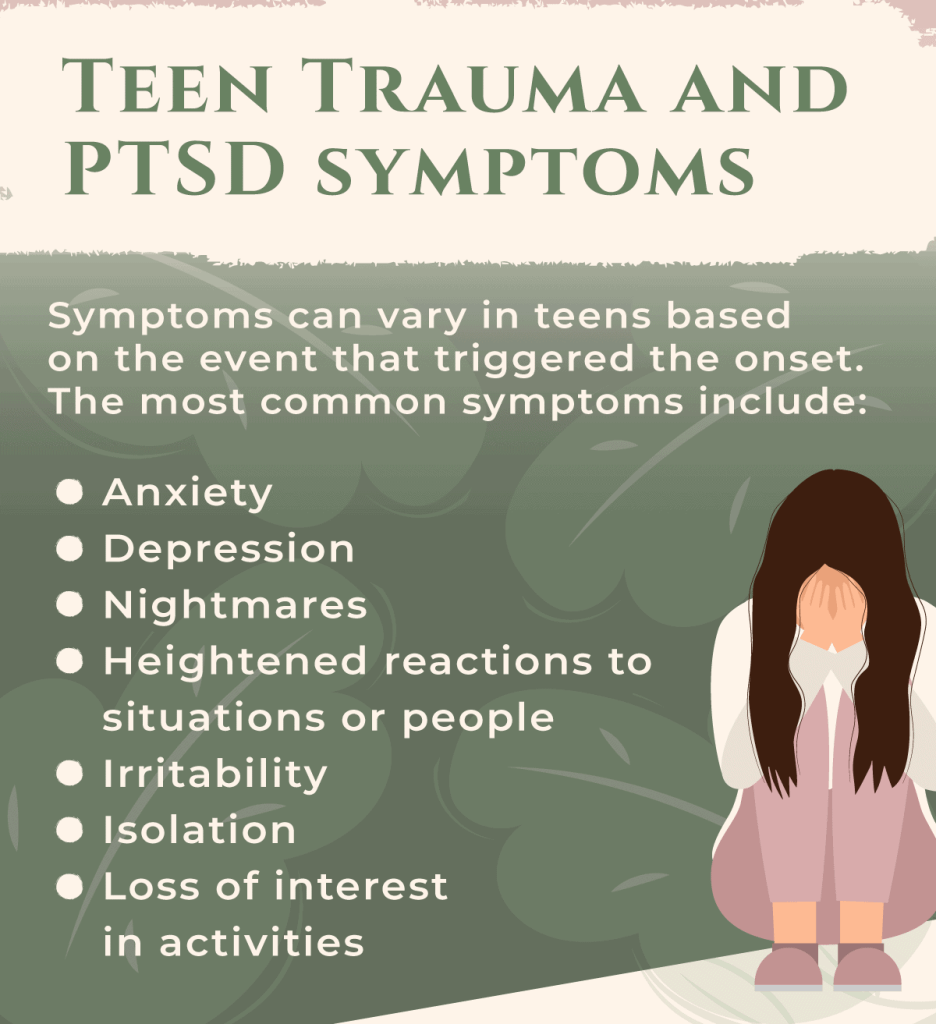
Trauma at any age can trigger post-traumatic stress disorder (PTSD), and teen trauma specifically can shape the way PTSD manifests. Trauma is a response to an extremely stressful life event. When that event is not handled or talked through, it can trigger the development of the mental health condition PTSD. Symptoms can vary in teens based on the event that triggered the onset. The most common symptoms include:
- Anxiety
- Depression
- Nightmares
- Heightened reactions to situations or people
- Irritability
- Isolation
- Loss of interest in activities
Causes Of PTSD In Teens
PTSD stems from a distressing event that took place in the teen’s life. For example, if a teen crashes their car and witnesses the death of a best friend, both grief and paranoia surrounding vehicles can be triggered. This can make them afraid to drive or even ride in vehicles, as well as develop depression due to the loss of their friend. The same can be said for teens who experience sexual assault. The teen can develop depression and guilt from the event, and also anxiety toward men (or women).
Teen Trauma and Panic Attacks
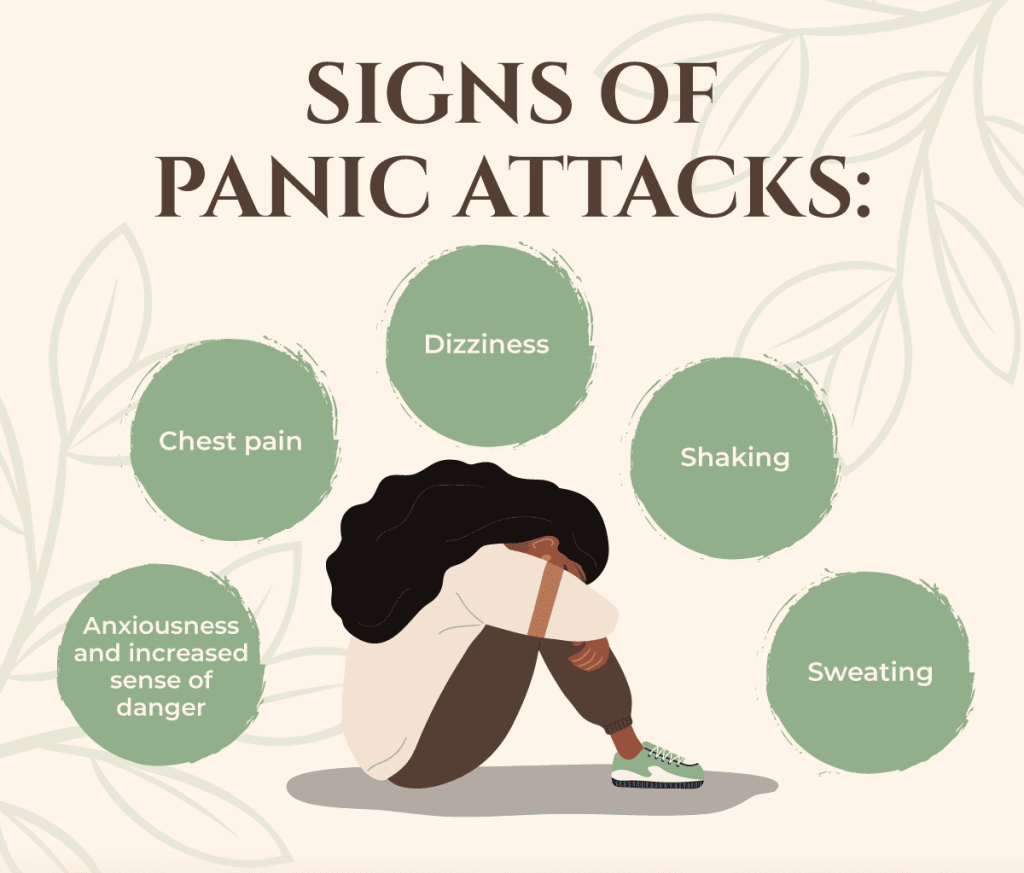
Panic attacks are a reaction to a perceived danger or threat. Teens who have experienced trauma are more likely to have triggers that lead to panic attacks. Signs of panic attacks include:
- Chest pain
- Dizziness
- Shaking
- Sweating
- Anxiousness and increased sense of danger
Panic attacks can be triggered by different scenarios. Waking up from a nightmare, seeing a person or place that reminds them of the trauma, or being touched or spoken to in a way that brings memories of the trauma can all lead to the start of a panic attack.
Recognizing Mood Shifts in Traumatized Adolescents
When a teen goes through trauma, she may have a lot of feelings that she doesn’t know how to express. Internalizing is common after a traumatic event, and she may show signs through her mood and behaviors. Some mood shifts to look out for are:
- Withdrawing from family and friends
- Increased anxiety, agitation, and irritability
- Drop in school performance
- Changing friend groups
- Engaging in risky behaviors including substance use
- Self-harm
- Appetite changes such as increase or decrease
When these signs begin, it is time to have a conversation. Trauma can make your daughter feel guilt, shame, and embarrassed which can make her not want to open up. Encourage her that she has a safe space to express herself with you and reassure her that you are there to help.
Facing Teen Trauma
Teen trauma can be more internal than they let on, and parents alone may not be enough to get them through. Finding her a therapist that specializes in trauma and PTSD can help her work on addressing and overcoming her internal battles. While it is important for parents to keep communicating with their teens, some will respond better to a person on the outside looking in.
How Trauma Could Disrupt Teens’ Rest Patterns
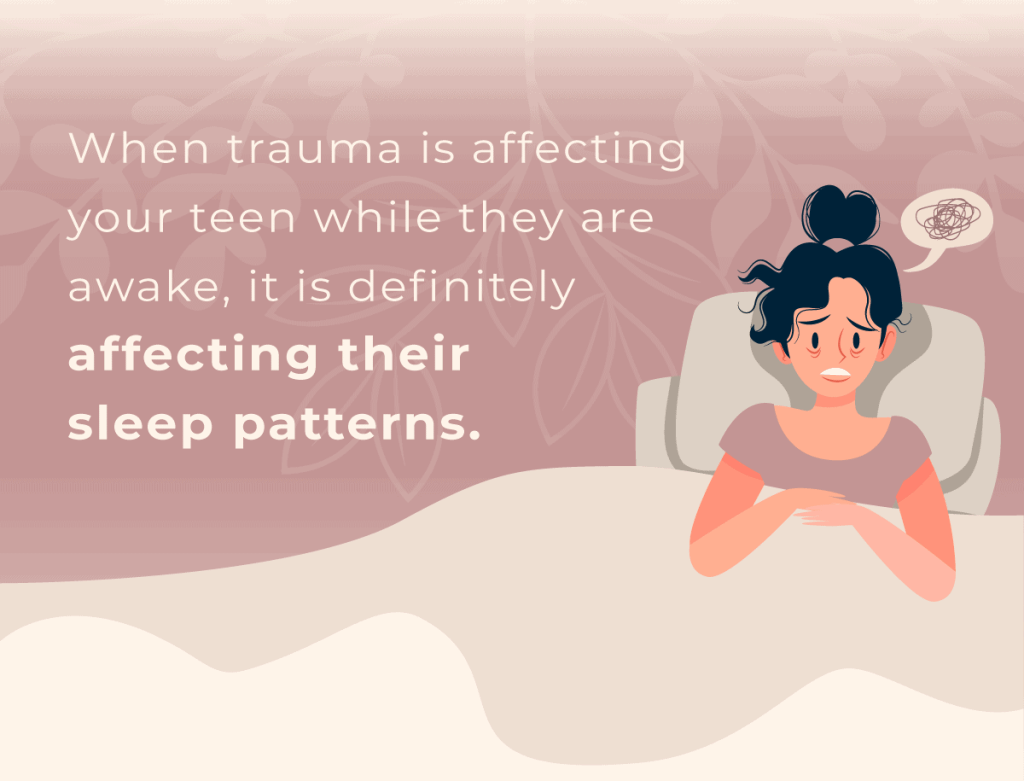
Sleep is one of the most important necessities during the teen years, as the brain and body are still growing and developing. Getting enough rest ensures the mind is refreshed, healed, and ready to take on the day and learn new things. When trauma is affecting your teen while they are awake, it is definitely affecting their sleep patterns. She may not be sleeping at night for fear of nightmares, and may doze off during school or in the afternoon. This increases the risk of accidents and can also lead to a weakened immune system. These can cause stress levels to rise, further deepening the cycle of unrestful sleep.
When Trauma Leads to Isolation in Teens
Withdrawing from friends and family because of trauma is a telltale sign that something is not right with your teen. Once isolation sets in, there is an increased risk of self-harm and suicidal ideation. If ever there is a thought that your teen is in crisis, seek medical attention immediately.
No one wants to imagine the unthinkable, but it happens more than we care to discuss. Losing a friend or family member to suicide releases the same distressing traumatic response as forms of abuse. A study from the Library of Medicine states that 78% of teens lose a relative or friend before the age of 18. On top of that, 1 in 20 lose someone to suicide in one given year. These instances serve as a reminder that teens need to know they have support at all times.
How Trauma Might Influence Teen Interactions
Teens are known for having an attitude or slamming the occasional door when they do not get their way. But when a teen starts having more episodes of irritability, emotional responses, and physical reactions to sudden movements, trauma may be the cause. These shifts in interactions can happen gradually or suddenly, but knowing your teen and seeing the differences in her can indicate a need for communication. Lashing out isn’t always due to hormones or hearing the word “no” – it is often a cry for help.
Treatments And Therapies for Childhood Trauma
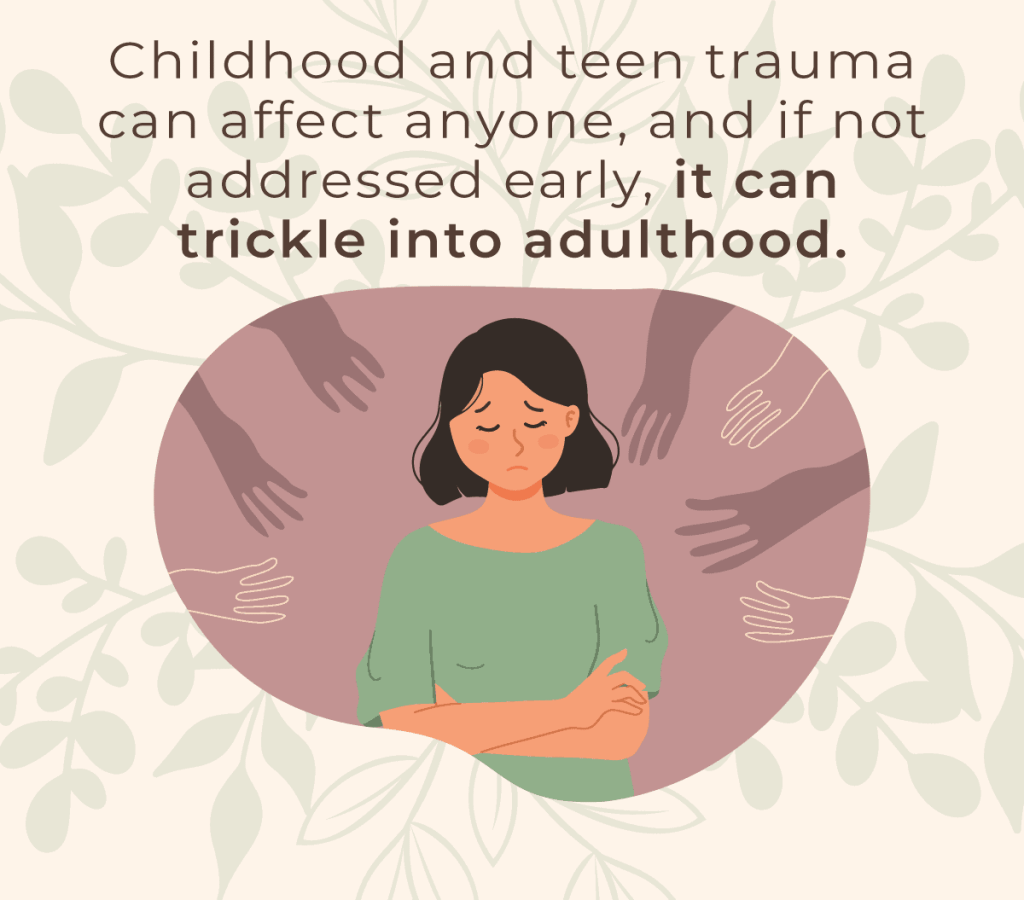
Childhood and teen trauma can affect anyone, and if not addressed early, it can trickle into adulthood. Finding a therapist who specializes in trauma-informed care, with knowledge of PTSD in teens, can make a vast difference in your child’s outcome. Trauma can be deep, and the longer your teen has been burying her feelings, the longer she may need treatment. Be patient as she works through to rediscover herself, and allow her the freedom to speak her mind.

If your teen is showing signs of trauma, now is the time to act. At Roots Renewal Ranch, we only treat teen girls aged 13-17, so your daughter will be surrounded by her peers. Our environment takes away the hustle and bustle of life and gives her a safe space to heal and learn new skills – such as animal handling. School is just as important, and she will receive 2.5 hours of classroom time per day. Call us today at 888-399-0489 to learn more about our trauma-informed care program.
FAQs
What characteristics could be traumatic to an adolescent?
There are many different forms of traumatic events in adolescence, such as physical, sexual, emotional, mental, and environmental. Events, places, and people can have characteristics that can trigger memories of a traumatic event.
What defines adolescent trauma?
Adolescents are defined as those aged 10 to 19. Trauma that takes place in these years would be considered adolescent trauma.
What are the behaviors of trauma?
Trauma is associated with increased depression, anxiety, irritability, isolation, and panic attacks.

