
Lately, your daughter seems exhausted, overwhelmed, and on edge. She spends hours on assignments, only to tear them up in frustration. Maybe she skips meals, runs on caffeine, or stays up late trying to perfect every detail. Or perhaps she tells you she’s fine, but you notice her tense shoulders, short temper, or how she always seems on the verge of tears.
Teen girls today face more academic pressure than ever. Many feel like they’re never doing enough between tough classes, college stress, and social media comparisons. Over time, this stress can lead to anxiety, burnout, and self-doubt, making it even harder to succeed.
As a parent, you want to help, but it’s hard to know where support ends and pressure begins. Should you encourage her to keep going, or does she need a break? How can you tell the difference between normal school stress and something more serious?
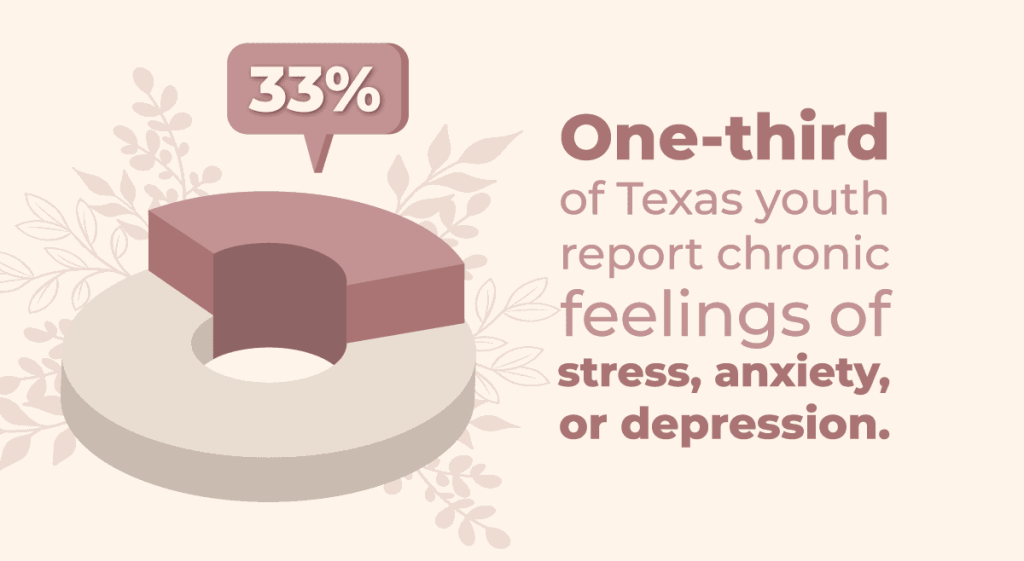
If you’re concerned about your teen’s mental health, you’re not alone. One-third of Texas youth (33%) report chronic feelings of stress, anxiety, or depression. Almost half (45%) say they felt sad and hopeless for an extended period in the past year.
At Roots Renewal Ranch, we take a trauma-informed approach to academic stress. Our program helps teen girls build confidence and learn healthy coping skills. With family support and therapeutic care, we help young women take charge of their well-being and manage school stress in a healthier way.
What Is Academic Stress, and How Does It Affect Teen Girls?
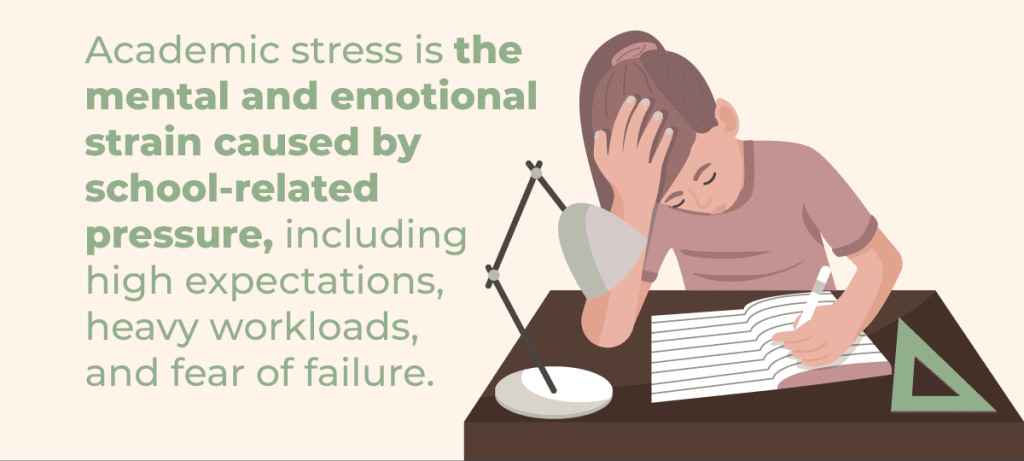
Academic stress is the mental and emotional strain caused by school-related pressure, including high expectations, heavy workloads, and fear of failure. A little stress can be motivating, but too much makes it harder for students to focus, retain information, and stay emotionally balanced. Over time, it can lead to exhaustion, anxiety, and self-doubt.
Academic Pressure Is the #1 Stressor for Teens
For many teens, school isn’t just about learning—it’s a major source of stress. A Pew Research study found that 61% of teens feel intense pressure to get good grades—far more than those who worry about their appearance (29%) or fitting in socially (28%).
Teen girls often feel this pressure even more. Many have big academic goals, and most plan to attend a four-year college. Nearly four in ten worry about getting into their dream school. The drive to succeed can be a good thing, but when paired with perfectionism, it can quickly lead to anxiety and burnout.
How Academic Stress Can Affect Your Daughter’s Health
When academic stress becomes overwhelming, it doesn’t just affect school performance—it impacts mental and physical health.
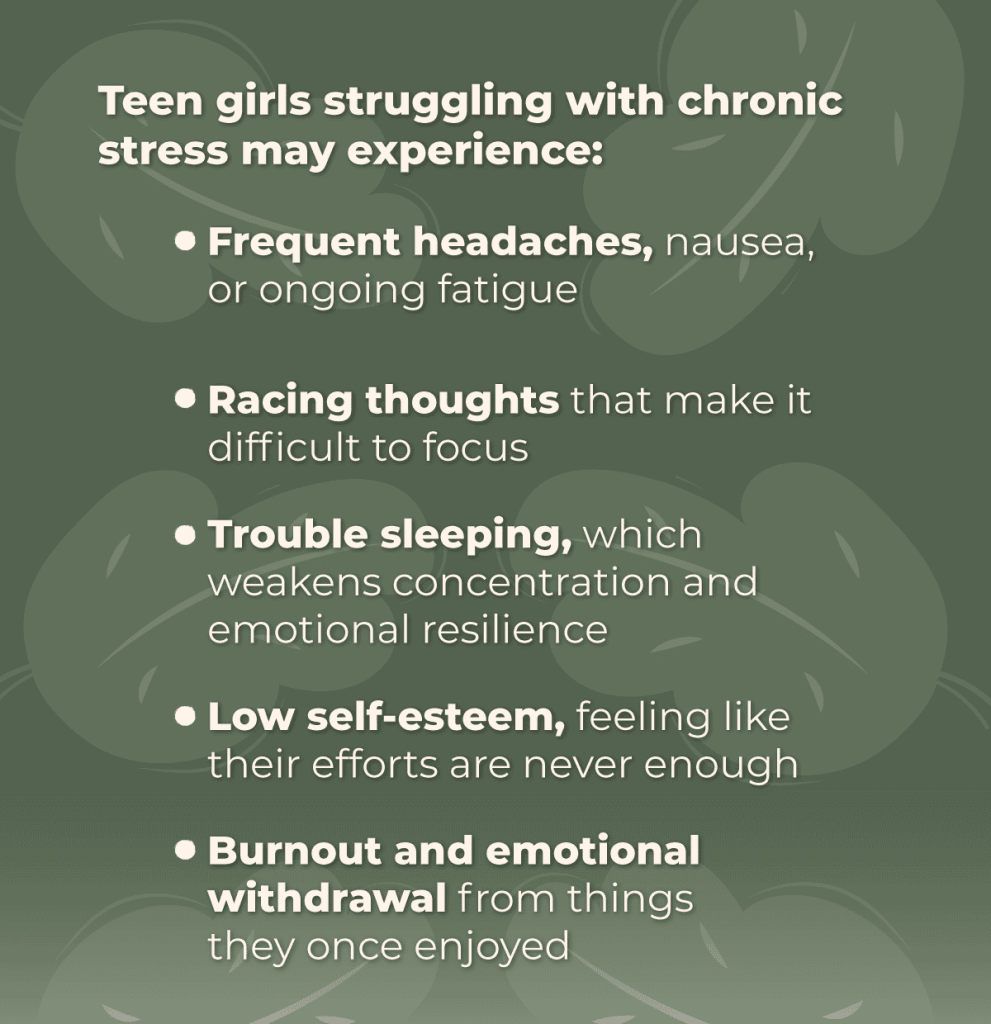
Teen girls struggling with chronic stress may experience:
- Frequent headaches, nausea, or ongoing fatigue
- Racing thoughts that make it difficult to focus
- Trouble sleeping, which weakens concentration and emotional resilience
- Low self-esteem, feeling like their efforts are never enough
- Burnout and emotional withdrawal from things they once enjoyed
Long-term stress can also keep the brain in “fight-or-flight” mode, making it harder to think clearly, regulate emotions, and make healthy decisions.
With the right support, teen girls can break this cycle. They can develop healthy coping strategies, build confidence, and regain a sense of control over their well-being.
Common Causes of Academic Stress in Teen Girls
Every teen experiences stress differently, but some pressures tend to weigh more heavily on girls.
Social pressure can make school feel like a competition. On social media, academic success often looks effortless, making real-life difficulties feel like personal failures.
College admissions stress adds to the pressure. The push for AP courses, top test scores, and well-rounded resumes can make girls feel like one mistake could ruin their future.
Overloaded schedules leave little time to decompress. Many teens juggle school, sports, and extracurriculars, creating a constant state of stress.
Recognizing these pressures is the first step in helping teen girls manage stress in a healthier way. With the right support, they can handle academic challenges with confidence and resilience.
Does Your Teen Need Help Coping With Academic Stress?
Not all teens will tell you when they’re struggling. Some may openly express frustration or anxiety, while others keep their stress bottled up, afraid of letting you down. If your daughter seems more withdrawn, irritable, or overwhelmed than usual, academic pressure may be weighing on her more than she’s letting on.
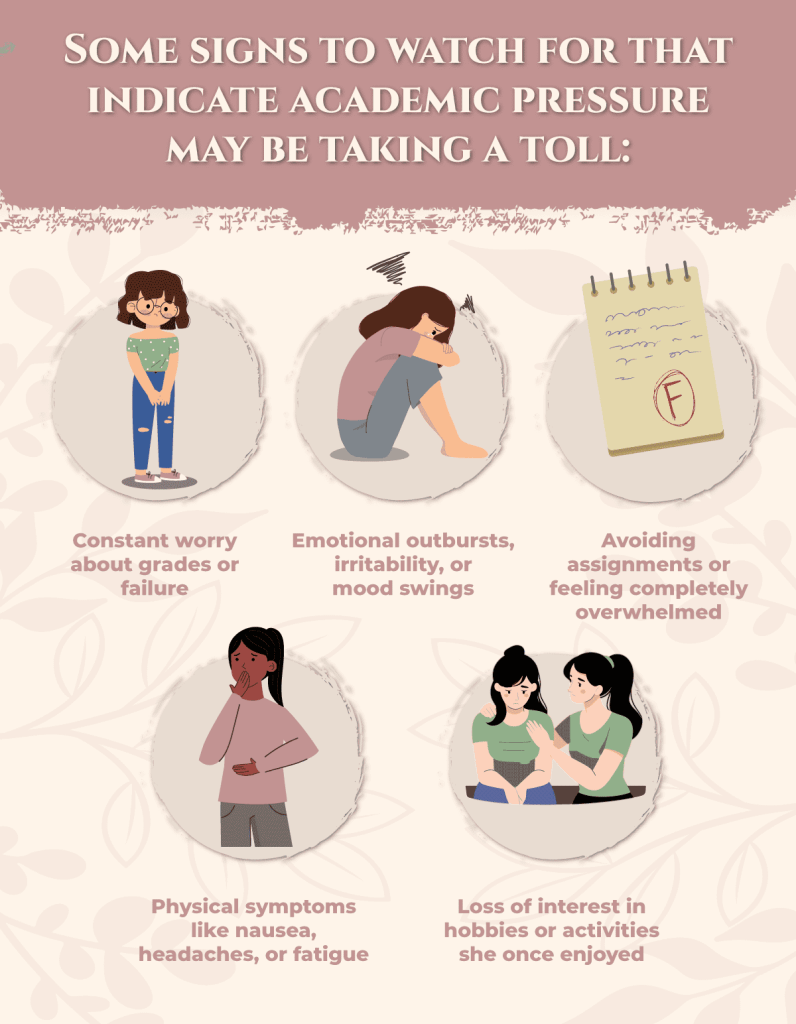
Here are some signs to watch for that indicate academic pressure may be taking a toll:
- Constant worry about grades or failure
- Emotional outbursts, irritability, or mood swings
- Avoiding assignments or feeling completely overwhelmed
- Physical symptoms like nausea, headaches, or fatigue
- Loss of interest in hobbies or activities she once enjoyed
Recognizing these signs early can help you support your teen in managing stress and reaching out for help before it affects her well-being.
When to Seek Help for Your Teen Daughter’s Mental Health
If stress begins to interfere with your daughter’s daily life, relationships, or ability to function, it may be time to seek professional support.
Signs that academic stress has escalated into a serious mental health concern include persistent anxiety, panic attacks, drastic changes in behavior, or a sudden drop in grades.
If she seems hopeless or is withdrawing from school and social activities, teen therapy can help her regain a sense of control, develop coping strategies, and rebuild her confidence. Early intervention makes a difference. With the right support, she can learn to manage stress in a way that protects both her mental health and academic success with mental health treatment.
7 Ways to Help Your Teenage Daughter With Academic Stress
#1 – Teach Prioritization Without the Overwhelm
Many teens have challenges with time management – not because they’re lazy, but because they feel paralyzed by competing priorities.
Help your daughter break large assignments into smaller, manageable steps, and encourage her to start with the hardest task when her energy is highest. Focusing on progress, not perfection, can help her feel more in control rather than constantly behind.
#2 – Encourage Open Communication
Teens won’t always admit when they’re struggling, especially if they fear disappointing you. Instead of asking, “Are you stressed?” try a more open-ended approach.
For example, you might ask, “What’s feeling hardest for you right now?” or “How can I support you?”
Knowing she has a safe space to talk reduces the emotional weight she’s carrying and helps her feel understood.
#3 – Promote Realistic Expectations
Perfectionism makes even high-achieving students feel like they’re never doing enough.

Remind your daughter that learning is about growth, not flawless performance. Celebrate effort, not just results, and help her reframe mistakes as stepping stones rather than failures.
#4 – Introduce Effective Stress-Management Techniques
Help your teen recognize when stress is building in her body. Simple techniques can help her stay calm and focused, such as:
- Deep breathing exercises
- Short mindfulness resets
- Stepping away for a quick walk or movement break
The 4-7-8 breathing method (inhale for 4 seconds, hold for 7, exhale for 8) is a simple tool she can use anytime stress feels overwhelming.
#5 – Balance Study Time With Social Breaks
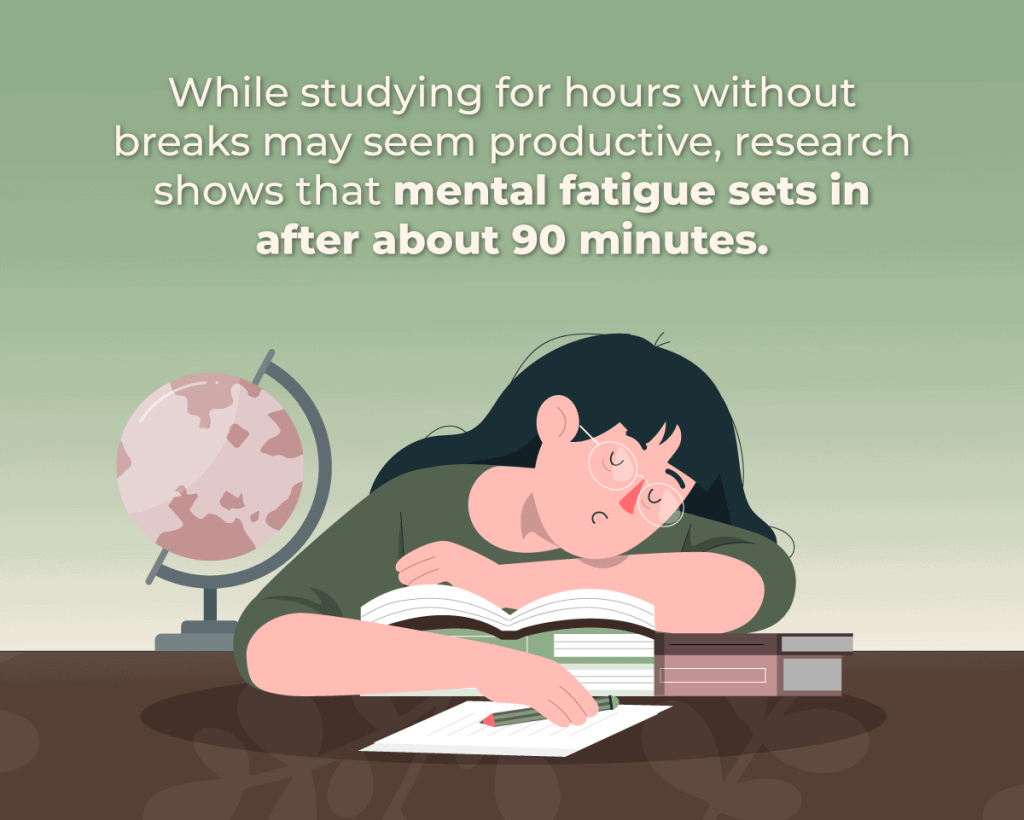
While studying for hours without breaks may seem productive, research shows that mental fatigue sets in after about 90 minutes.
Encourage her to take short breaks throughout the day—whether it’s a walk, listening to music, or talking with a friend. These moments refresh the brain, improve focus, and prevent burnout.
#6 – Know When to Step in vs. Step Back
It’s natural to want to help, but constantly stepping in can undermine her confidence.
Instead of fixing the problem, ask questions that encourage problem-solving, such as:
- “What’s your first step?”
- “Which part feels the hardest?”
These questions show that you’re there for support without sounding patronizing.
#7 – Know When Therapy or Professional Support Can Help
If stress leads to chronic anxiety, emotional shutdown, or burnout, professional support may be the best next step.
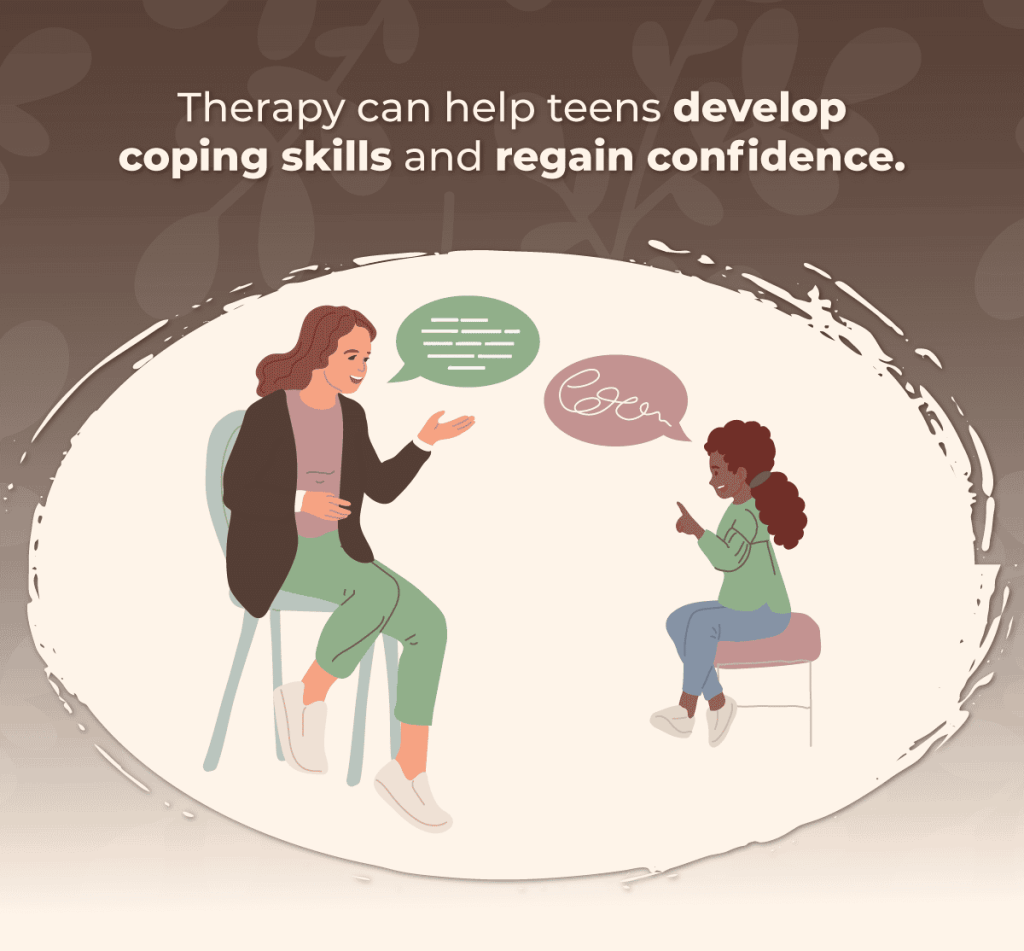
Therapy can help teens develop coping skills and regain confidence. For girls who need a more structured environment, programs like Roots Renewal Ranch provide a safe space to rebuild resilience and find balance.
Seeking Help for Your Teen Daughter’s Mental Health
Academic stress is a normal part of high school, but when it starts affecting your daughter’s emotional well-being, it’s time to step in. If she seems constantly overwhelmed, shuts down easily, or feels like nothing she does is ever enough, she doesn’t have to go through it alone.
With the right support, teen girls can learn to manage stress in ways that build confidence. At Roots Renewal Ranch, we take a trauma-informed, family-centered approach to mental health, empowering teen girls to regain balance, develop coping skills, and rebuild resilience.

Roots Renewal Ranch helps teen girls manage academic stress while prioritizing their mental health. She is strong, she is loved, and she is enough. Call Roots Renewal Ranch today at (888) 399-0489 to learn how we can help.

