At Roots Renewal Ranch, we see this pain firsthand in the girls we work with. How do we better support teens in our communities in their daily lives? In a naturally challenging and tumultuous stage of life, how do you know when teenage angst is something deeper? When does it require mental health treatment from a mental health professional? We’ll cover that in this blog.
Understanding Teenage Angst: What Even Is It?
“Teen angst” is a commonly used term, sometimes as part of a flippant joke, but it is a real experience teens go through. Families with teens can tell you firsthand that teen angst is no joke.
How do we define teenage angst? Angst is a feeling of dread and anxiety, caused by stress of some kind.
Some angst is unavoidable as teens grow up and adjust to the realities of the world. Those realities can sometimes be harsh and alarming, and how to deal with more serious topics is confusing. They have to worry about what their futures will look like in “the real world” as they learn more about it. Will they go to school after high school? What do they want to do for their career? Will the relationships they have now even matter in the future? It’s a lot to think about, and it can take a toll, and cause angst.
While hormones are responsible for some of the mood swings and grouchiness associated with the teenage years, angst plays a role, too. Rest assured, if all you’re dealing with is teen angst, it’ll pass in time. Even if it’s hard now, you and your teen will make it through.
Causes of Teenage Angst: The Uncertainty of Growing Up
Teenage angst is most commonly triggered by change, and adolescents experience a lot of that. They’re going through hormonal changes, and changes in the amount of responsibilities they have. Their relationships and interests might be changing, too. Even their grades changing can be a source of stress. If you pair this with other large changes, such as moving or divorce, you have a major recipe for some angst.
In some cases, something not changing when a teen wants it to can be a source of angst. If they think they should have more privacy and more freedom but aren’t getting it, you can bet that’ll cause some unpleasant emotions. Appearances may also be a source of angst for some adolescents, and if they have a negative body image, that only complicates their feelings and influences their behaviors.
It’s also important to remember that everyone is different. One teen may be perfectly fine when faced with something that causes another a lot of angst. Neither reaction is wrong, and a teen having a lot of angst doesn’t mean they won’t grow up into well-adjusted, successful adults.
Common Manifestations of Teenage Angst – Is There Truth to Some of the Stereotypes?
There are a lot of stereotypical teen behaviors that are very accurate. Teens often stomp down the hall and slam their doors when they’re upset. They play loud music to exert their independence. They overthink how they’re dressed or what makeup they’re wearing because they want to impress someone at school, and they fret over others’ opinions of them. They put their headphones on in the car when you’re trying to talk to them, and they still fight with their siblings.
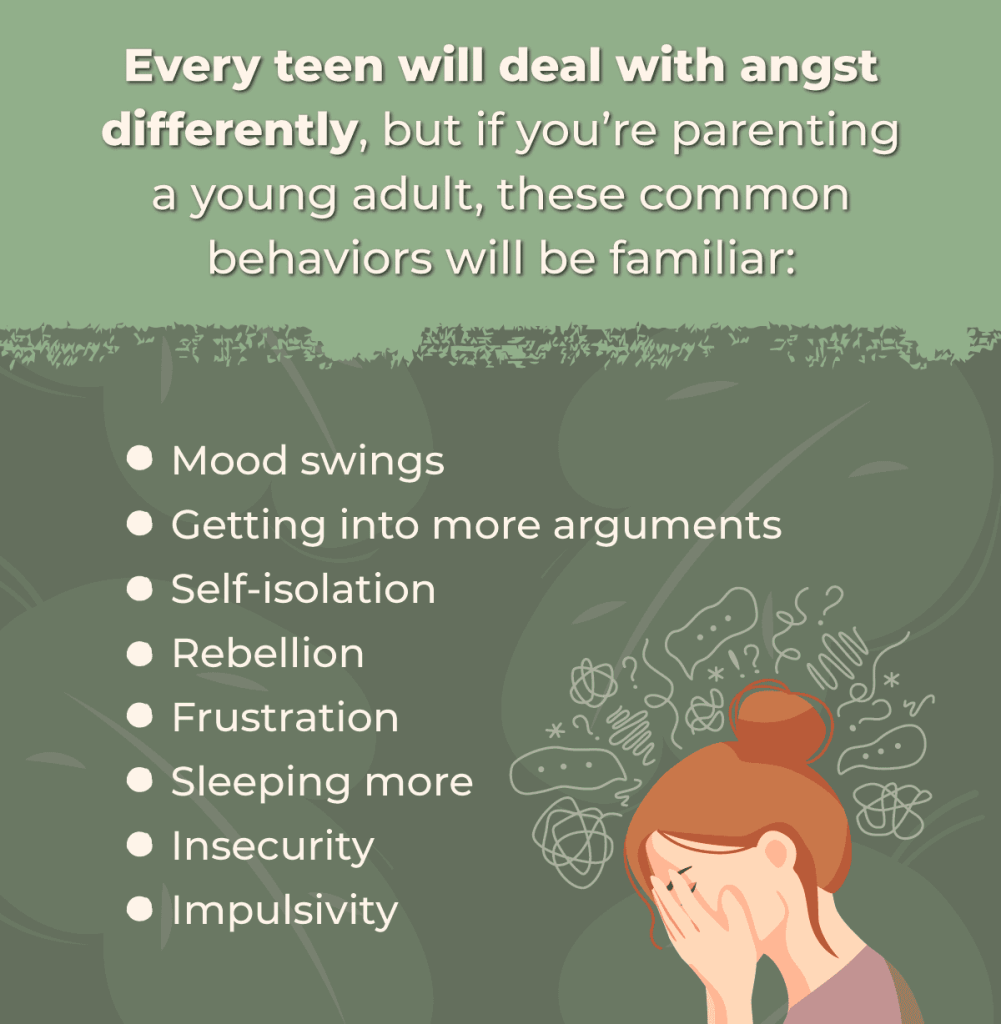
Every teen will deal with angst differently, but if you’re parenting a young adult, these common behaviors will be familiar:
- Mood swings
- Getting into more arguments
- Self-isolation
- Rebellion
- Frustration
- Sleeping more
- Insecurity
- Impulsivity
While managing this behavior is frustrating, parents all over the world understand exactly what it’s like. You’re not alone.
How to Approach Teen Angst and Growing Pains
It might be helpful to think of teen angst as the “growing pains” of adolescence. While a lot of physical growth and the pain that comes with it happens during childhood, the emotional growth and pain that accompanies it happens mostly during the teenage years.
With all of this in mind, it’s important to approach it with empathy, and without panicking. Take some comfort in the fact that a lot of teenage angst is just part of growing up. That doesn’t mean you can dismiss those feelings as unimportant or irrelevant. Doing that leads to a lack of trust between you and your teen, and can actually lead to mental health complications. Instead, make sure your teen knows they can talk to you, listen to them even if you think their concerns are a little childish, and offer advice if they want it. Sometimes teens just want to complain about the current complications in their lives, and creating a safe space to do that where they don’t feel judged or belittled is vital.
Your teen will inevitably have some extreme outbursts. In these situations, make sure you stay calm, and try not to take anything they say personally. Even though your teen isn’t being very nice when they call you a horrible parent because you won’t let them hang out with their friends before they finish their homework, they don’t actually mean that. If it feels like your patience isn’t paying off because the arguments never end, rest assured that it’s helping your teen grow up into a healthy adult.
Encouraging a healthy lifestyle will help, too. Make sure your teen is eating nutritious food and getting enough sleep, and suggesting they exercise when they’re feeling particularly frustrated can be beneficial.
Of course, you’ll still want to be alert and on the lookout for any signs of their teenage angst being something deeper: a mental health condition.
Differences Between Teenage Angst and Depression
There is some crossover between classic manifestations of teenage angst and depression, but there are also plenty of differences to be aware of. For one, depression symptoms are persistent, while teenage angst comes and goes, usually triggered by certain events. Depression symptoms will also be more severe.
Self-isolation, for example, can be a part of teenage angst. However, when it’s just teenage angst, your teen will eventually come around and return to acting like their usual self. In the case of depression, your teen will continue their self-isolation, and it might even get worse.
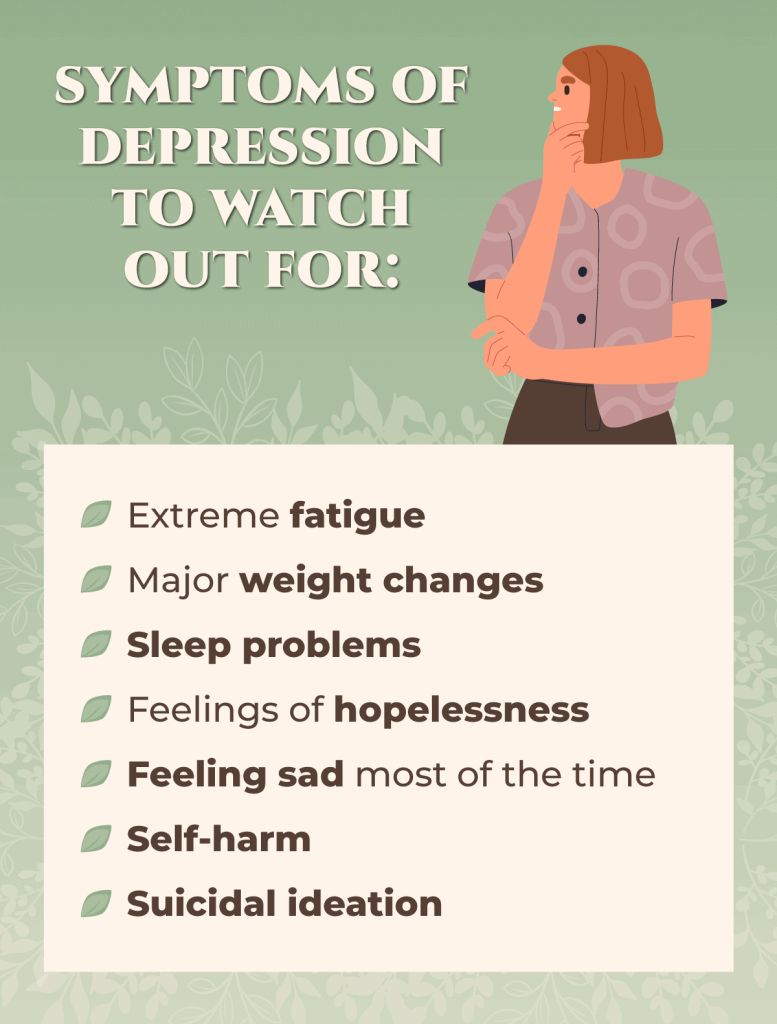
Here are other symptoms of depression to watch out for:
- Extreme fatigue
- Major weight changes
- Sleep problems
- Feelings of hopelessness
- Feeling sad most of the time
- Self-harm
- Suicidal ideation
Differences Between Teenage Angst and Anxiety
Anxiety and teenage angst can be even harder to differentiate from one another. After all, “anxiety” is in our definition of teen angst we mentioned earlier. Some anxiety is normal, both in teens and adults. It’s excessive, constant anxiety that is a sign of an anxiety disorder, and a reason for concern.
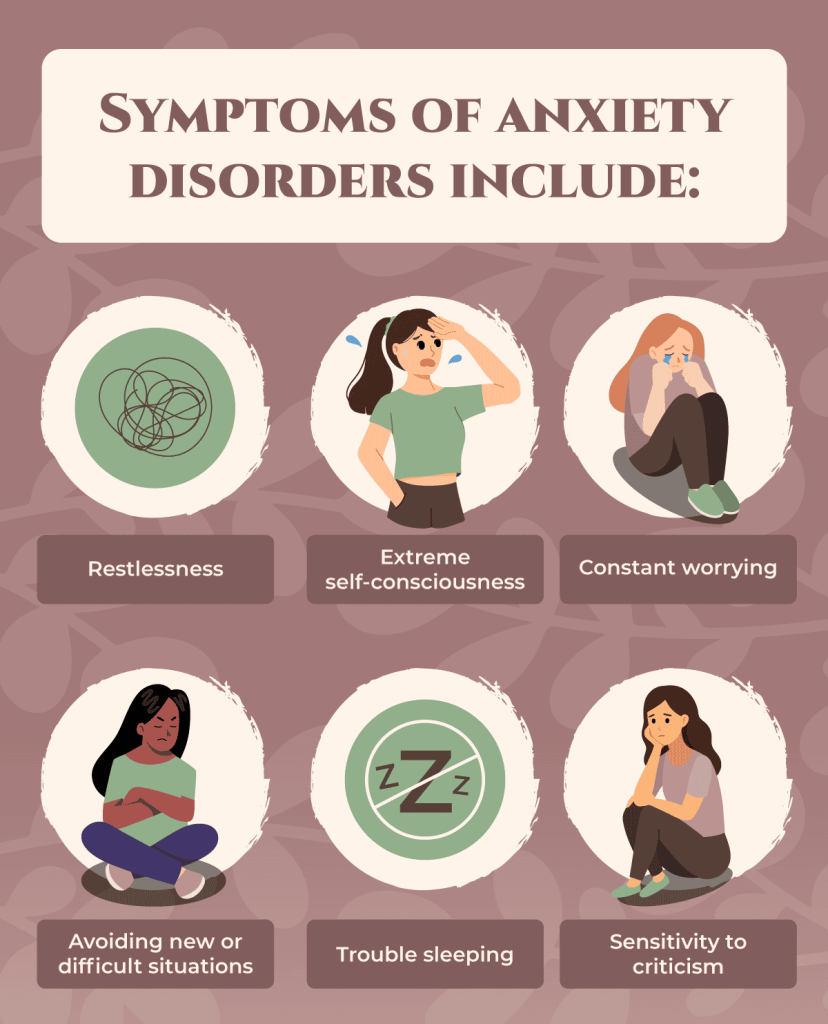
Symptoms of anxiety disorders include:
- Restlessness
- Extreme self-consciousness
- Constant worrying
- Avoiding new or difficult situations
- Trouble sleeping
- Sensitivity to criticism
- Withdrawing
Similarly to differentiating teenage angst from depression, the key to recognizing an anxiety disorder among teenage angst is noticing the severity and consistency of your teen’s anxiety symptoms.
How Do You Know if Your Teen Needs Help? How Therapy Can Help With Teenage Angst
Because teens’ lives are so tumultuous, they can always benefit from therapy. They’ll receive help navigating the confusion and difficulties of growing up. A therapist can also serve as an outside presence to listen to a teen’s worries, and help them better understand their emotions and thought processes. This will make adjusting to adulthood easier.
If your adolescent does have depression or an anxiety disorder, teen therapy is even more important. A therapist will guide your teen to process their feelings in a healthy, productive way, and help them find good coping mechanisms to get them through their adolescent years safely.
Many therapists will be able to stay with your teen into adulthood, making them a helpful, life-long resource with important insight into your child’s younger years.
How Treatment Can Enable Your Daughter to Be Her Best Self
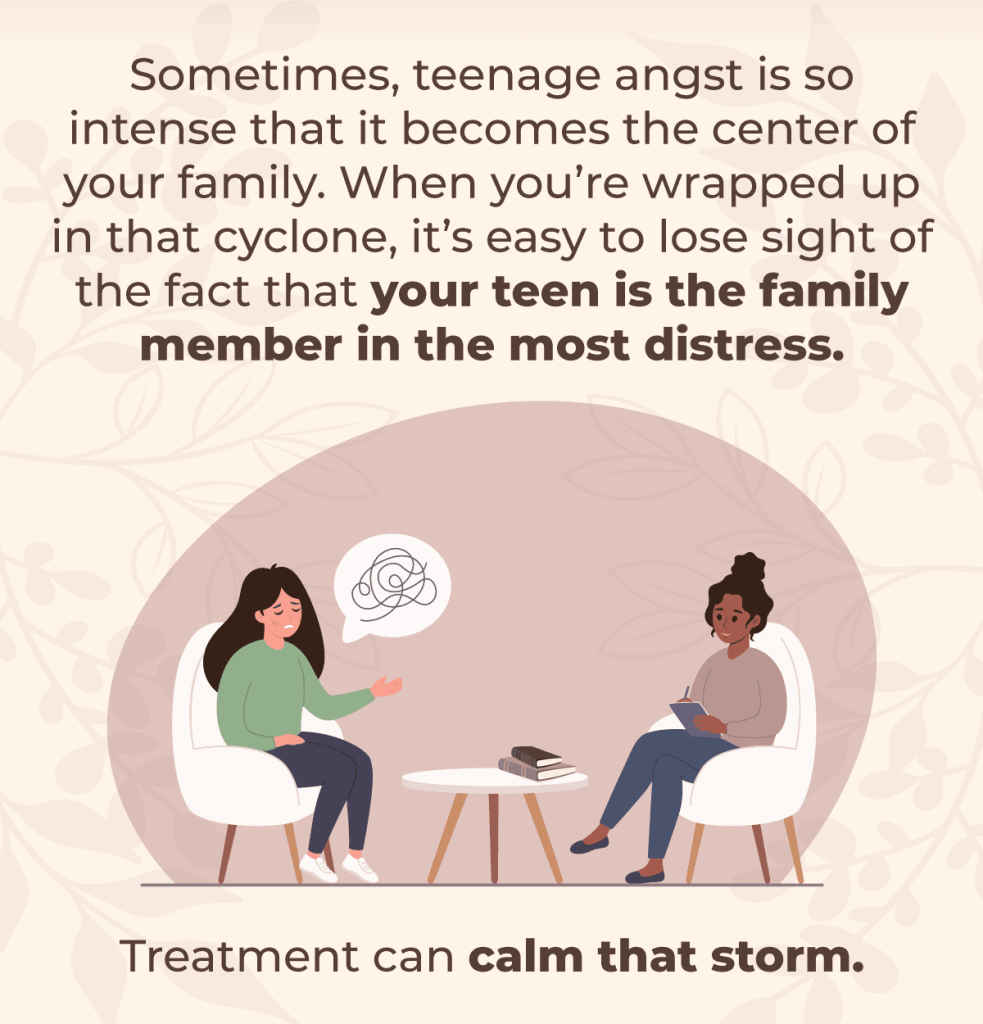
Sometimes, teenage angst is so intense that it becomes the center of your family. When you’re wrapped up in that cyclone, it’s easy to lose sight of the fact that your teen is the family member in the most distress. Treatment can calm that storm. Whether your teen has depression, an anxiety disorder, or another behavioral health condition, help is available.

Roots Renewal Ranch is a mental health facility for girls ages 13-17. We have SAMA training to manage aggression, and our care is trauma-informed, ensuring we’re well-equipped to empower your daughter to overcome her teenage angst and any concerns coming alongside it. Give us a call at 888-399-0489. Your daughter is strong, she is loved, and she is enough.

