Live-in trauma care with family still involved
Inpatient Trauma Therapy Program for Teen Girls
We Accept Insurance

Intensive support for trauma-related crises

School continues during residential treatment

Family stays involved through treatment

What families are saying

From our Google Profile
Our daughter came home nearly two and a half months ago after completing 75 days at Roots Renewal Ranch. I have absolutely no hesitation in recommending Roots Renewal Ranch.
Megan B.

My daughter was there for 70 days and the staff treated her with great care. She bonded with her counselor and enjoyed the activities. She loved the horses and other animals on site as well. The family weekend was amazing! I highly recommend Roots!
Jay L.
This is a place of healing for both children and parents. The support system is beyond expectations. What Roots did for our family could never be repaid. We thought we had lost our child forever; however, Roots brought our little girl back to us. It’s a scary feeling for any parent, but Roots is a safe place, and you’ll see positive transformations in the long run.
Juan H
Roots is a wonderful place. The staff is amazing and they went above and beyond to help my granddaughter. They teach the girls self love and confidence. I would definitely recommend them for anyone who needs help for themselves or their loved ones.
Kathy H.
I always tell people, if it weren’t for roots, I probably would not be here today. I would not be the strong person I have become. Roots gave me a home when I felt I didn’t have a home. They taught me how to stand up for myself when I had been pushed down my entire life.
AJ W

Trauma doesn’t wait for the next appointment
When something happened that changed her and weekly therapy hasn’t been able to reach it, she may need a setting where treatment isn’t competing with the same daily triggers
Choosing live-in trauma care can feel like admitting home has reached its limit. It may also mean your daughter needs more structure, supervision, and clinical support than your family can safely provide alone right now.
Roots Renewal Ranch provides residential trauma treatment for girls ages 13 to 17 in Argyle, Texas. Care includes therapy, school support, and 24-hour nursing and medical care.
If you think your teen may need live-in care to heal and recover, you should not have to make that call from panic. Start with a private conversation before your family commits to anything.
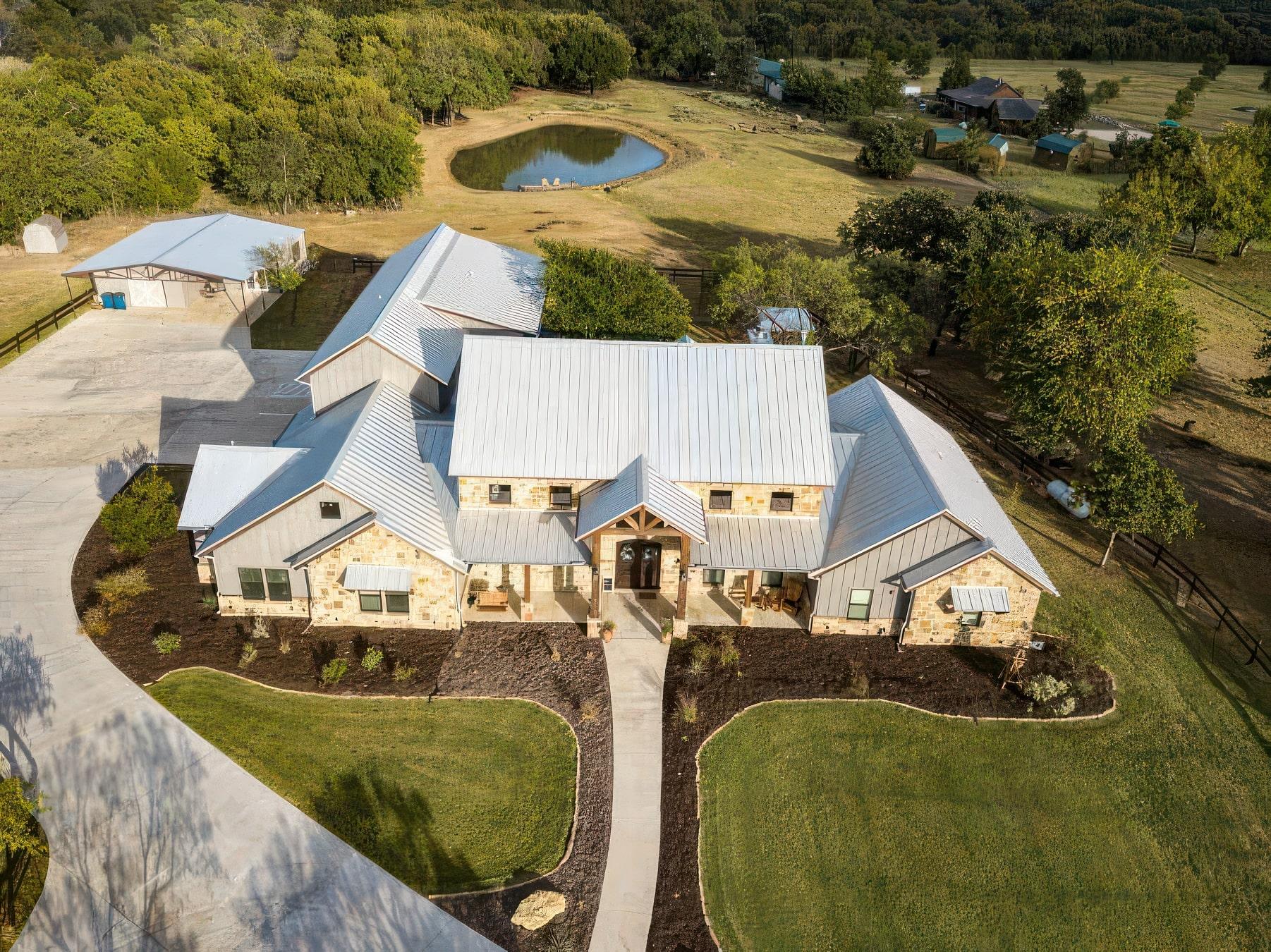
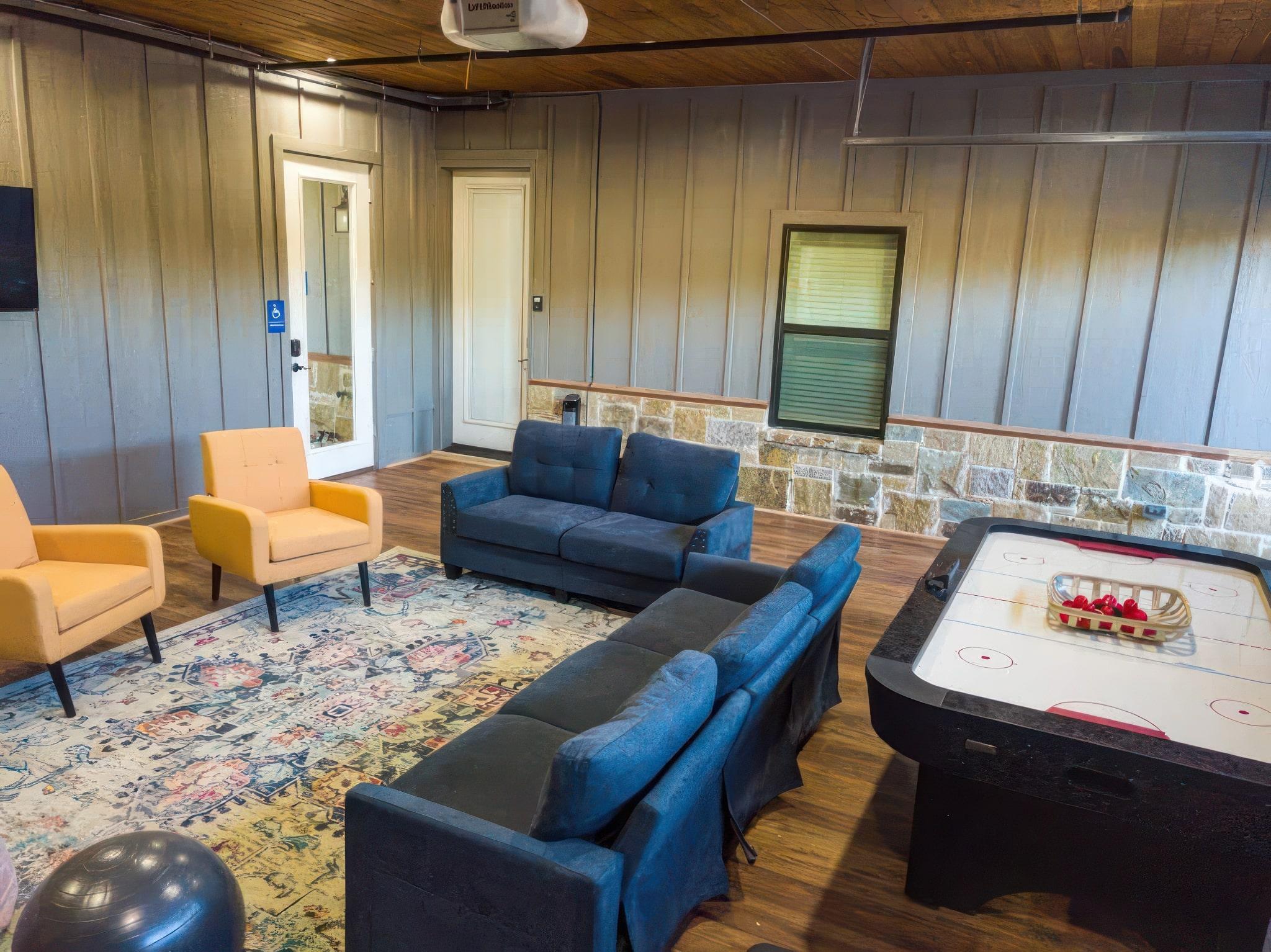
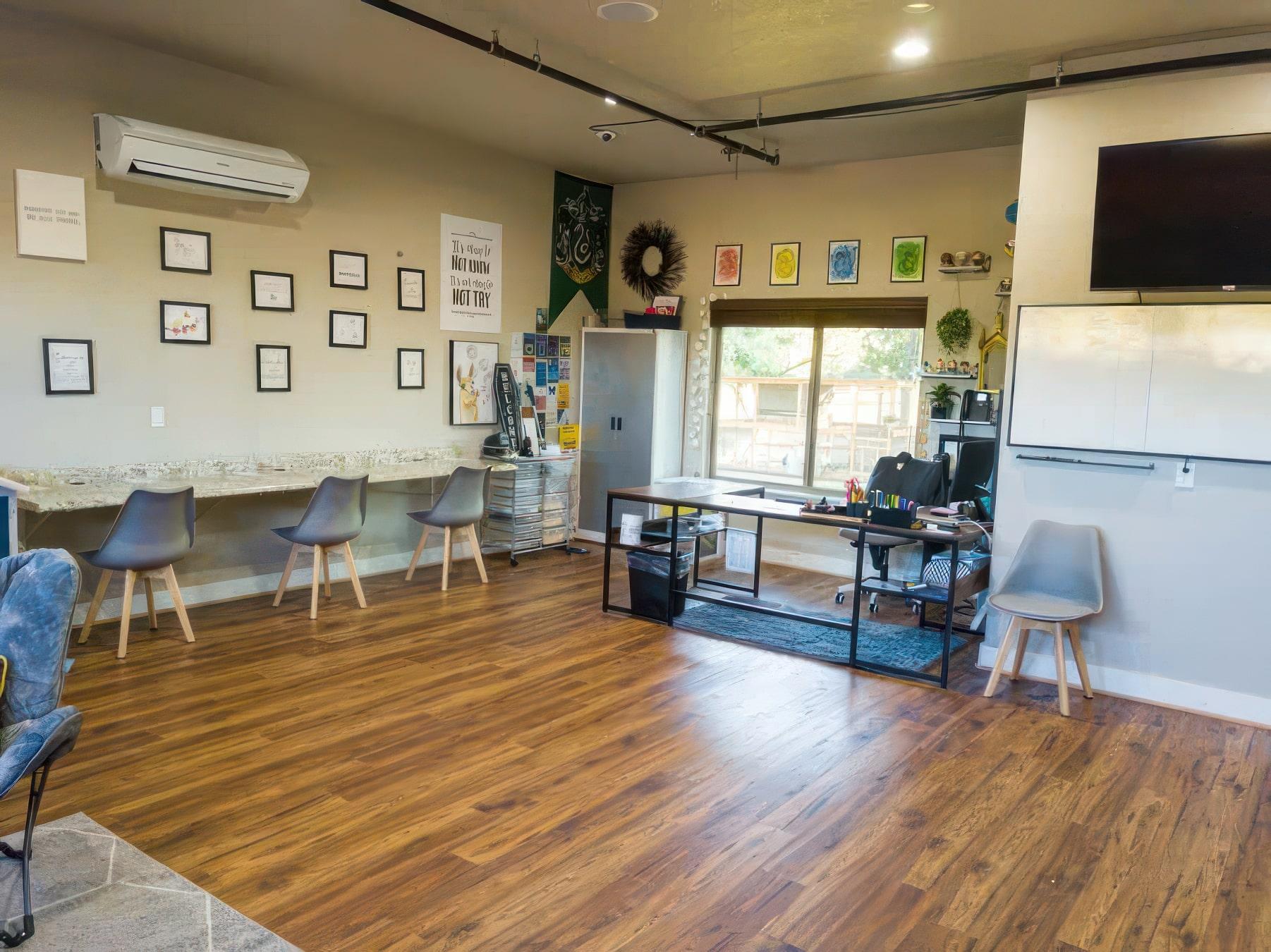

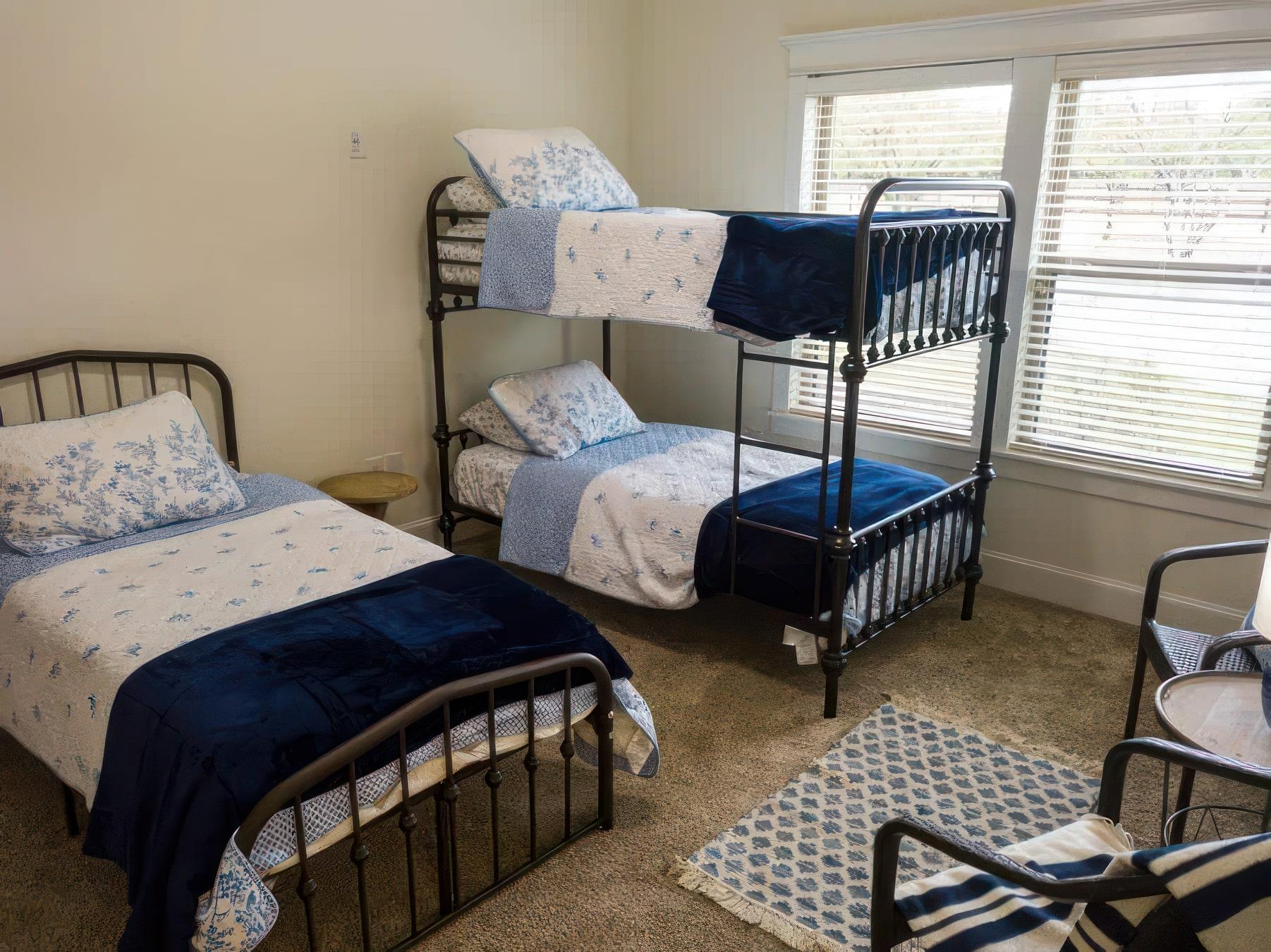

A short tour around the facility
Home cannot hold every crisis
The argument may be over, but your daughter is still behind the bedroom door. The school day may start while panic, shame, or exhaustion is already running the morning. Residential care brings more of those hours into treatment, with staff close enough to respond before the pattern takes over again.
- Daily structure: Girls live at the ranch on a supervised schedule with therapy, school time, meals, routines, and restorative activities. Fewer open hours are left for panic, conflict, hiding, or unsafe coping to take over.
- Reduced distractions: Personal electronics are not part of the residential stay, giving your teen space from the feeds, messages, and outside pressure that can keep trauma reactions active.
- Medical support: Nursing and medical support stay active around the clock, so psychiatric concerns, physical symptoms, and medication questions stay connected to the treatment plan.
- Safety review: We review current risk, prior treatment, substance use, and home stability, then tell you clearly whether residential care fits or whether another setting needs to come first.
You should not have to coordinate trauma care for your daughter alone
When trauma hits home, school, safety, and trust all at once, parents can end up repeating the same story to therapists, school staff, doctors, and crisis responders. At the ranch, therapy, school support, nursing support, routines, and family work stay under one plan.
- One team, one plan: Clinical care, nursing support, school updates, and family work stay connected so your family is not chasing different providers for different answers.
- Girls-only environment: Your teen lives in a girls-only program for ages 13 to 17, with peer dynamics and daily expectations focused on teen girls.
- Family work built in: Parents and siblings have clear ways to stay involved through family sessions, parent support, sibling support, and family intensive programming.
- School stays in the plan: Therapy and academics happen in the same setting, so school does not get pushed aside while trauma care is happening.
- Clear supervision each day: Before admission, we explain who is with your teen, how the day is structured, and how your family stays involved while she is here.
Before admission moves forward, we explain who is treating what, how school fits into the day, and how your family stays connected during care.
We’re here to help. Call us!
 (888) 399-0489
Your family gets a plan for home
Inpatient care can help your daughter stabilize, but home is where the first real test usually comes. The same tone shifts, sibling tension, phone arguments, shutdowns, and broken trust may still be waiting after discharge.
If the family doesn’t have a discharge plan, the return home can feel like everyone is holding their breath again. We plan for this through:
- Weekly family sessions: Family therapy gives parents and teens a structured place to work on communication, trust, boundaries, and repair while your daughter is still in treatment.
- Parent support: Parent sessions and groups help you prepare for the conversations, limits, and home changes that may matter after discharge.
- Sibling care: Sibling groups and individual support give brothers and sisters a place to talk about fear and disruption at home, especially when so much attention has gone to the crisis.
- Family intensive support: Concentrated family work gives parents, siblings, and your daughter more time to learn, practice, and prepare together.
We work with leading health insurance plans
Your insurance provider may cover 100% of your child’s treatment costs
Check if your insurance will cover mental health treatment for your teen
Questions parents ask about our Residential Treatment Program
Talk with admissions about your teen’s needs
If sending your daughter to our Ranch feels like too big a step to take on incomplete information, start with a private conversation. We can talk through what is happening at home, whether our ranch is the right fit, how school continues, what insurance may cover, and what travel would actually require before anyone commits to anything.
- Call our admissions team: Reach (888) 399-0489 for a confidential conversation before your family makes any travel or admission plans.
- Verify insurance before travel: Send insurance information early so cost and coverage questions are answered before a clinical recommendation is made.